

When the Wall Forgot Its Purpose
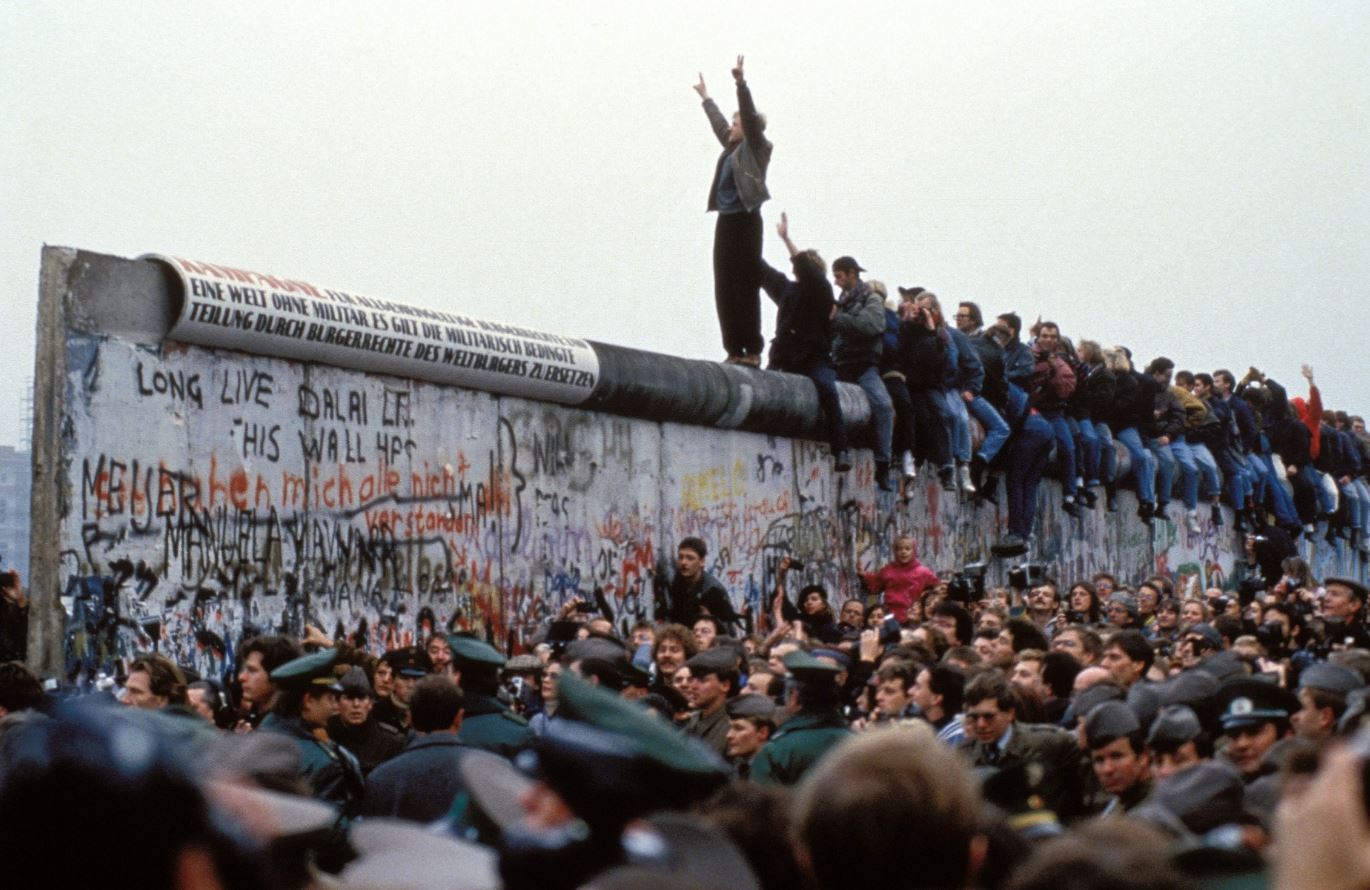
Courage, confusion, and collective will turned a wall of division into a memory of unity
When stone divided the sky
For nearly three decades, a barrier of concrete and barbed wire split Berlin into two worlds that shared a language but not a destiny. It rose in 1961 under the shadow of tension between rival powers, its grey slabs stretching for more than a hundred kilometers through streets, fields, and canals. Families were separated overnight, neighbors became strangers, and a city that had once been the heartbeat of Europe was split into two bodies that beat out of rhythm. Guard towers watched with searchlights, patrol dogs paced beneath them, and escape attempts ended too often in tragedy. The wall stood not only as a boundary of territory but as an architecture of ideology, a visible scar that taught generations to fear freedom.
The architecture of isolation
Beyond its concrete, the wall carried an entire system of control. Behind the outer barrier stood a strip of raked sand to reveal footprints, a trench to stop vehicles, and an inner fence patrolled by soldiers who held permission to shoot. For those who lived nearby, the sound of footsteps and gunfire became part of daily life. In the East, propaganda portrayed the wall as a shield against fascism, while in the West it became a symbol of oppression. Each side built its narrative, shaping the wall into a mirror that reflected its own convictions. Over time, the structure aged and cracked, yet the fear it embodied remained solid. Even as generations passed, the idea of separation became habitual, as if the city had forgotten that streets were meant to connect.
Whispers beneath the surface
By the 1980s, discontent had begun to seep through the cracks of the Eastern Bloc. The economy faltered, consumer goods were scarce, and censorship grew harder to enforce as television signals crossed borders and ideas traveled faster than police could erase them. Churches and underground movements in East Germany became spaces where people could speak freely, even if only for an hour. Demonstrations spread from Leipzig to Dresden, carrying banners that demanded reform, not revolution, but the hunger for dignity proved impossible to contain. Young people refused to inherit their parents’ silence, and every whispered conversation added a thread to the tapestry of resistance. The wall still loomed, but its shadow was thinning.
Leaders caught in the tide
As protests grew, East German authorities struggled to maintain control without triggering international outrage. The Soviet Union under Mikhail Gorbachev had begun to shift its stance, promoting openness and restructuring that weakened the grip of old doctrine. The leadership in East Berlin watched nervously as Hungary opened its border with Austria, allowing thousands of East Germans to flee westward through Central Europe. Every escape reduced the authority of the wall. When crowds filled city squares demanding freedom of travel, state media could no longer hide the truth. Officials argued behind closed doors, uncertain whether to concede or to crush the demonstrations. The machinery of control, once efficient, began to jam under the weight of its contradictions.
The broadcast that changed everything
On the evening of November ninth, nineteen eighty nine, an East German spokesman named Günter Schabowski stood before cameras to announce new travel regulations. His notes were unclear, and when asked when the new policy would take effect, he hesitated, then replied that it was effective immediately. Those few words, spoken without intention, spread through radios and televisions across Berlin. Crowds gathered at the checkpoints demanding passage. Border guards, lacking orders and fearing chaos, faced a decision that history had not prepared them for. By nightfall, they lifted the gates. People streamed through, laughing, crying, climbing the very wall that had once imprisoned them. Hammers struck concrete, bottles of champagne were shared between strangers, and the Cold War cracked beneath the weight of human joy.
The night of celebration and disbelief
West Berliners poured toward the crossings to meet their counterparts from the East, embracing them in streets that only hours earlier had been zones of suspicion. Families reunited after decades of separation, lovers met as if time itself had folded in half. Musicians climbed onto the wall with instruments, playing songs that echoed into the cold night air. Television crews captured faces glowing in disbelief as crowds danced on top of the concrete barrier that once divided their lives. Policemen stood aside, watching history unfold faster than bureaucracy could react. No government could have orchestrated such an event, for it belonged entirely to the people who decided that enough was enough. In that night of confusion, humanity remembered its capacity for unity.
The crumbling of a symbol
Within days, citizens armed with chisels and sledgehammers began to dismantle the wall piece by piece. The fragments, once objects of fear, became souvenirs of freedom. The structure that had taken years to build fell not by force of armies but by collective determination. Streets reopened, trains reconnected, and Berlin slowly began to breathe as one organism again. The scars remained visible, yet they served as reminders rather than wounds. The fall of the wall resonated beyond Germany, signaling the unraveling of communist regimes across Eastern Europe. Capitals once locked behind iron curtains discovered their own voices, and the balance of power that had defined the twentieth century began to tilt toward a new, uncertain horizon.
Reunification and the price of healing
The political unification of Germany in nineteen ninety was celebrated with fireworks and fanfare, but the social integration proved far more complex. Economic disparities between East and West created tension, as industries in the former German Democratic Republic collapsed under market competition. Millions faced unemployment, and nostalgia for the old system lingered among those who felt left behind. Rebuilding a nation required more than removing concrete; it demanded reconciliation between two ways of life shaped by different truths. Still, the shared memory of that November night served as a compass. The dream of unity carried the country through the slow process of healing, teaching that freedom, once gained, must be nurtured with patience and empathy.
The global ripple effect
The fall of the wall marked not just a national turning point but a global shift. Eastern Europe moved rapidly toward democracy, the Soviet Union began its final collapse, and the Cold War’s ideological frontier dissolved. The event redefined the meaning of revolution, showing that courage and persistence could achieve what armies could not. Images of Berliners with chisels in hand inspired movements in other regions where walls still stood, visible or invisible. The world witnessed that change can arrive unexpectedly, carried by ordinary people rather than orchestrated by leaders. The fall of the Berlin Wall became shorthand for the triumph of human will over political architecture.
The memory preserved in fragments
Today, sections of the wall stand in museums, parks, and plazas across the world, their graffiti fading but their message clear. Visitors touch the rough surface and imagine the lives it once divided. Artists repaint portions each year to remind new generations that freedom requires vigilance. In Berlin, the line where the wall once stood is traced by cobblestones running through busy streets, a quiet thread connecting past to present. Tourists walk along it without realizing that only a few decades earlier, that same ground could have cost them their lives. The city wears its history openly, not as shame but as proof of transformation. The wall’s absence has become its greatest monument.
The lessons of concrete and courage
The fall of the Berlin Wall remains a testament to the power of collective action and the fragility of oppression. It teaches that systems built on fear cannot survive when people choose solidarity over silence. It also warns that division can reappear in subtler forms, through prejudice, inequality, or nationalism. The memory of that night serves as both celebration and caution, a reminder that unity is never permanent but always possible. The wall fell because enough individuals decided that borders could not define humanity. In every generation, that decision must be made again.
The echo that never fades
When Berliners climbed the wall with bare hands and hope, they dismantled more than concrete. They ended an era that had taught the world to live in halves. The night air carried laughter, the stones carried history, and the people carried proof that barriers built by fear can crumble under the weight of courage. The city once divided now stands as a symbol of renewal, and its story reminds humanity that no wall, however high, can contain the desire to be free.