

Roads That Taught the World to Move
A journey through the inventions, pathways, and habits that turned distance from barrier into invitation
Feet before wheels
Movement began with walking, a pace set by breath and daylight, and early travelers learned routes by memory and landmark, tracing riverbanks, ridgelines, and animal tracks while carrying fire, tools, and stories that mapped the land long before any road did.
Partners with hooves and patience
Domestication of donkeys, horses, and oxen changed loads from what a back could bear to what a herd could share, and new rhythms of rest and grazing shaped early itineraries, while harnesses and simple packs turned animals into the first engines of trade.
The circle that multiplied distance
The wheel appeared as a simple disk fitted to an axle, yet it doubled efficiency for hauling jars, timber, and stone, and wooden carts rolling on solid wheels taught communities to smooth tracks, cut ruts straight, and cross marshy ground with bundles of brush and plank.
Roads as promises of return
When settlements linked by commerce grew confident, they invested in causeways and bridges to hold against rain and flood, and with each repaired culvert and each leveled span, travelers learned that a road is a contract, it says you will get there and you can come back.
Rivers as liquid highways
Before pavements, boats carried more weight with less effort, so communities hollowed logs, stitched skins, and later built planked hulls that slipped along currents, and every bend became a harbor where fish, grain, and news changed hands with a smile or a bargain.
Harnessing wind with cloth and courage
Sailors discovered that a rectangle of fabric and a taught rope could push a hull faster than muscle, and refined rigs let crews angle into the breeze rather than drift with it, which turned coasts into trade corridors and islands into stepping stones.
Caravans, camels, and the arithmetic of thirst
Across deserts, camels carried burdens that would sink a donkey in sand, and caravan masters timed marches by night stars and hidden wells, building chains of trust between oases where spices, salt, and ideas crossed languages as easily as they crossed dunes.
Chariots and the politics of speed
Light frames on spoked wheels allowed warriors to move fast on firm ground, and while the spectacle impressed crowds and enemies alike, the real legacy was the craft of axle, rim, and hub that raised standards for every wheel that followed.
Imperial roads and the culture of milestones
Empires poured stone into graded bases, crowned surfaces for drainage, and set milestones that counted distance with civic pride, and relay stations offered fresh animals and food, binding far provinces to a center that could move messages with new reliability.
Canals and the choice to move water as well as boats
Engineers dug cuts that linked lakes and rivers into networks, lifted barges with locks that stepped around hills, and found that the cheapest path is often the wet one, since water carries weight with grace when the channel is patient and the towpath is strong.
Stirrups, horseshoes, and the longer ride
A loop for the foot steadied riders, while iron shoes saved hooves on rock, and together they lengthened patrols and trade routes, allowing messengers to cover leagues in a day and farmers to move harvests without crippling their teams.
Sea craft that learned balance and angle
Lateen and square sails mixed on robust hulls, stern rudders replaced steering oars, and compasses joined charts that recorded coasts as lines of soundings and notes, which made open water less mystery and more map.
Stagecoaches and the choreography of relays
Improved suspension spared passengers and packages, turnpikes set tolls to fund maintenance, and inns spaced by a day’s journey formed the heartbeat of regional travel, where timetables turned guesswork into schedule that merchants could trust.
Steam finds a road of iron
Boilers drove pistons that turned wheels on rails, and the friction of iron on iron hauled loads that would take a caravan a week, while signals and timetables organized movement with a precision that made minutes part of national culture.
Steamships and the shrinking ocean
When coal bunkers met paddle or propeller, ships ignored contrary winds and held departure times like trains, and regular mail packets stitched continents together with letters and passengers who no longer feared month long delays.
Wires beside tracks and the birth of networked time
Telegraph lines followed rail beds, dispatchers coordinated meets on single tracks, and standard time zones replaced local noon, which made a nation feel smaller because every clock agreed to serve the same schedule.
Bicycles and the freedom of two wheels
Chain drives and inflatable tires put speed within reach of anyone who could balance and save for a frame, giving clerks, students, and farmers a way to claim personal mobility that asked only for effort and a patch kit.
The road meets the engine under a hood
Internal combustion engines made carriages independent of animals, gears and clutches turned explosions into smooth motion, and soon dusty tracks demanded grading, drainage, and later hard surfaces that could carry traffic in all seasons.
Asphalt ribbons and the national habit of the trip
Governments paved highways, built bridges of steel and concrete, and carved tunnels through mountains, while road signs, lane markings, and service stations added grammar to movement so that strangers could share a lane without speaking.
Subways and the city beneath the city
Urban rails tunneled under streets where space was scarce, electric motors pulled cars through stations lined with tile and light, and daily life acquired a new cadence, measured by headways rather than by horse hooves or traffic jams.
Elevated rails and streetcars that redrew neighborhoods
Viaducts and trolley lines extended cities past walking limits, workers settled along routes where five cent fares reached factories and docks, and real estate followed tracks, proving that transport is not only a service but a shaper of land and livelihood.
Flight teaches the sky to carry weight
Wooden wings and fabric skins lifted with careful angles, then metal frames and reliable engines crossed mountains and seas, and airfields grew into airports with towers, beacons, and runways that turned weather into a manageable variable instead of a final judge.
Jets and the overnight planet
High speed turbines and pressurized cabins cut travel times by half and then by half again, and international travel moved from elite adventure to planned routine, with schedules that made a morning meeting in one city and dinner in another ordinary.
Rockets and the path beyond weather
Multi stage machines hurled cargo above air and wind, satellites began to watch storms, guide ships, and bounce signals, and navigation learned to ask the sky for answers about location with a precision never imagined by sailors with sextants.
Containers and the box that changed trade
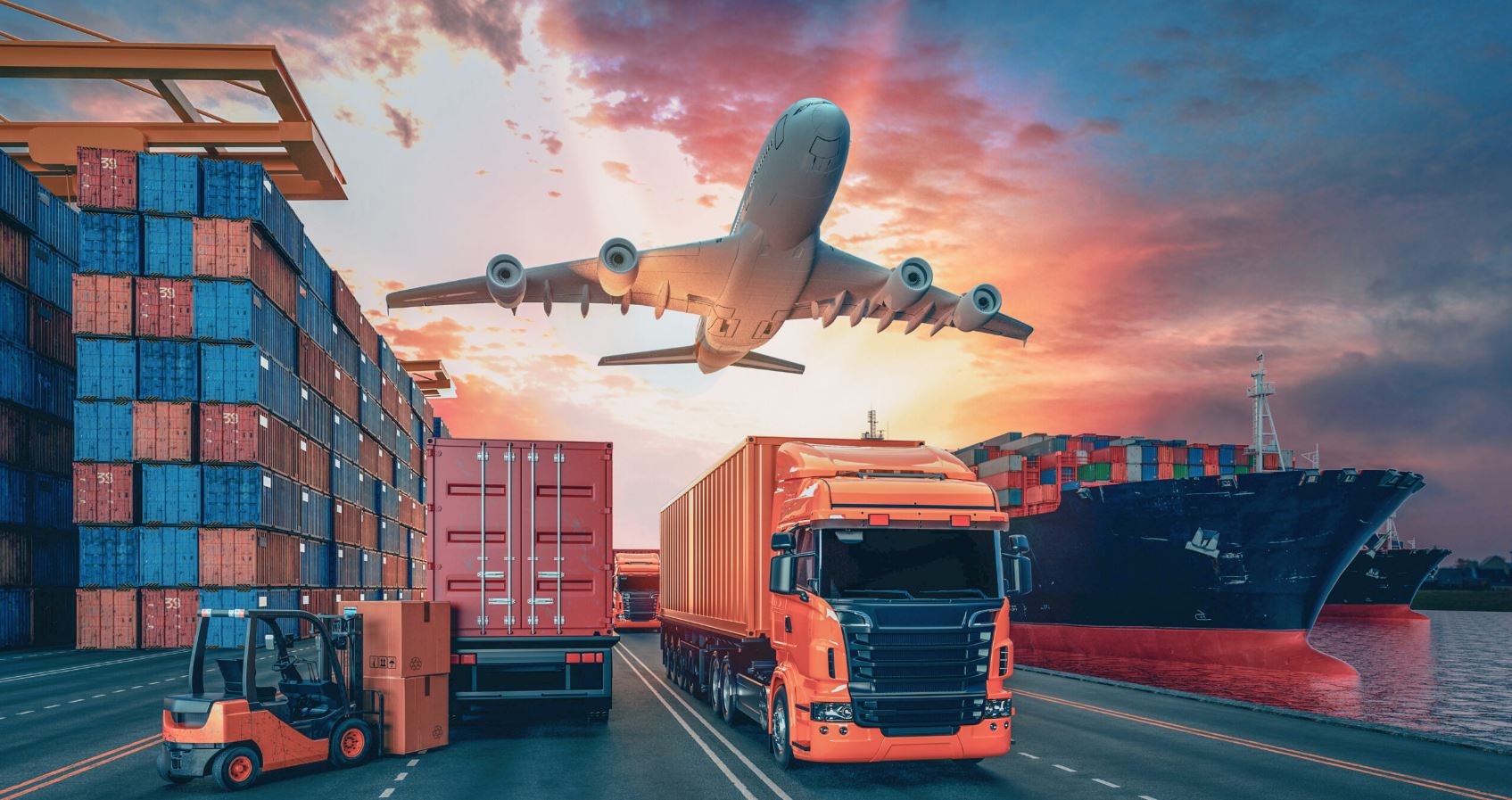
Standardized steel boxes fit ships, trains, and trucks without repacking, forklifts and cranes cut port times from days to hours, and the price to move a shirt or a toy dropped so far that global supply chains became the default rather than the exception.
Logistics as an invisible highway
Warehouses turned into data driven hubs, barcodes and scanners taught pallets to speak, and routing software balanced cost with speed, so that a promise on a screen could become a knock at a door two sunsets later.
Traffic science and the dance of signals
Engineers timed green waves, built roundabouts to reduce collisions, added ramps for smoother merges, and used detectors to adjust cycles on the fly, all so that thousands of private choices could flow like a single organism without panic.
High speed rail and the return of steel to glory
Dedicated tracks, gentle curves, and continuous welding let trains cruise at speeds that challenge short flights, stations anchored in city centers trimmed door to door times, and travelers learned to love the quiet of a seat that does not need a seat belt warning.
Electrification and the quiet motor
Batteries grew denser, chargers spread from garages to highways, and regenerative braking captured hills as future miles, while buses and delivery vans adopted the plug to quiet streets and clean air where engines once idled in lines.
Hydrogen and the fuel that carries its own promise
Cells that turn gas into electricity promise fast refueling for heavy loads and long routes, and experiments with depots and pipelines explore how to supply fleets that cannot spare hours for charging yet still aim to cut emissions.
Autonomy and the sensors that see around corners
Cameras, lidar, radar, and maps tied to algorithms teach vehicles to read lanes, lights, and habits, while safety drivers and regulators decide how quickly to hand over control, and in warehouses and ports robots already move with confidence and care.
Drones and the low sky corridor
Quadcopters lift cameras, medicines, and spare parts across rivers and rough roads, while navigation zones, geofences, and flight corridors emerge to keep order, and rural clinics gain deliveries that once waited days for rain to stop and bridges to dry.
Micromobility and the final kilometer
Shared bikes and scooters give crowded neighborhoods a nimble option, curbside docks and painted lanes protect riders, and a short trip that once demanded a car now uses a battery the size of a book, redesigning streets around people rather than parking.
Accessibility as a measure of fairness
Low floor buses, tactile paving, audible signals, and elevator rich stations expand mobility to all bodies, and when planners consult those who struggle most, the entire system becomes kinder, faster, and easier for everyone else as well.
Resilience when weather does not cooperate
Raised tracks, permeable pavements, backup power at signals, and shelter designs that handle heat and flood keep cities moving when storms surprise, and maintenance teams practice rapid triage to restore the first routes that bring help to those who need it.
Tickets replaced by identity and trust
Tap cards, phones, and account based payments let passengers glide through gates without queues, fare capping protects budgets, and data from trips guides investments toward routes that carry the most need rather than the loudest voice.
Freight corridors and the art of keeping goods rolling
Long trains with distributed power climb grades without slipping, double stack containers clear tall bridges, and passing sidings staged like chessboards prevent delays, while ports coordinate arrivals to keep cranes busy and trucks short of idle time.
Aviation seeks a quieter future
Sustainable fuels blend into jet tanks, improved aerodynamics and lighter materials shave burn, and electric regional craft test short hops that trade range for serenity, guiding an industry that must grow while learning to tread lightly.
Public space reclaimed from through traffic
Cities convert lanes to busways and bike paths, plant trees along new promenades, and build pedestrian zones that invite markets and music, proving that transport succeeds when it delivers people to places worth lingering in.
Governance that keeps pace with wheels and wings
Rules for safety, privacy, emissions, and labor adapt to platforms and platforms adapt to rules, and agencies learn that clear goals and transparent data create trust, because every commute is a daily referendum on competence.
Education for the craft of movement
Drivers learn defensive habits, pilots rehearse checklists until they sing, dispatchers master calm under pressure, and engineers model flows before pouring concrete, an ecosystem of skill that turns metal into service.
Culture shaped by speed and pause
Faster travel widened circles of friendship and trade, yet stations, rest stops, and lounges became new social rooms where strangers share benches, and music and literature grew full of departures and returns that define modern memory.
Equity and the price of a ticket
Subsidies, distance based fares, and off peak discounts decide who benefits, and when budgets honor nurses on night shifts and students in outer districts, a network becomes more than wires and rails, it becomes a promise kept.
What tomorrow might place on the map
Ground effect craft may skim coasts between ports, urban air taxis may rise from rooftops where noise allows, robotic freight may ride dedicated lanes in shadows of trees, and each idea will earn its place only if it proves safer, cleaner, and kinder than what it hopes to replace.
The path that keeps unfolding
From sandals on dust to orbits traced by radio, transportation is the art of giving distance a purpose and a plan, and its timeline reads like a diary of trust, because every bridge, timetable, and runway says the same quiet thing, you can go, you can return, and the world is wider because we built the way together.