

Rights Carved from the Dust of Kings
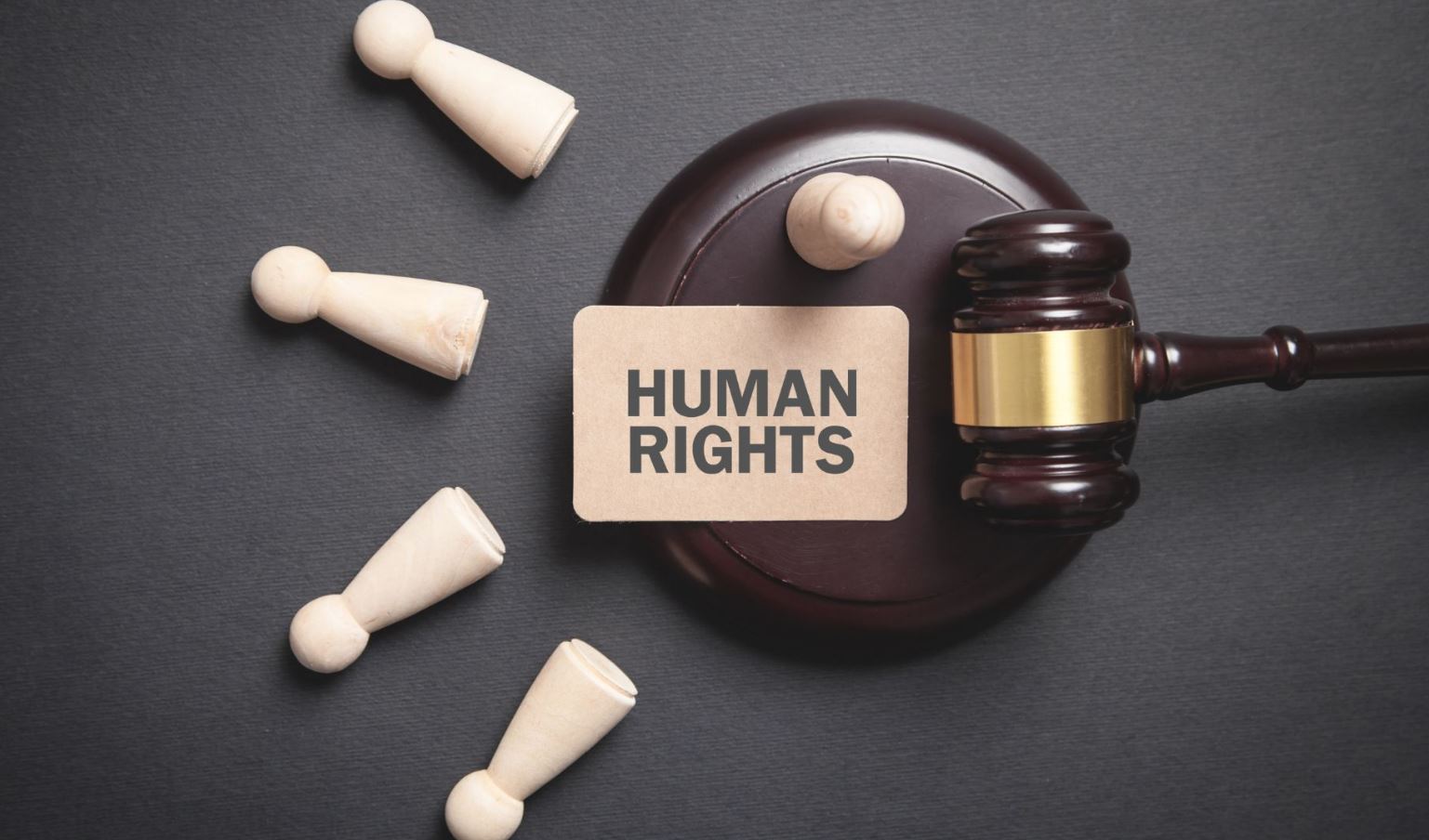
The idea of human dignity walked from tablets and thrones to parliaments and protest squares
Custom before conscience
In the earliest settlements, rules grew from custom rather than conscience. Clans protected their members through loyalty and vengeance, while outsiders stood beyond mercy. Justice meant balance between families, not equality among persons. Hammurabi’s code in Babylon etched this logic into stone, assigning penalties that depended on rank and status. The principle of proportion entered history, yet compassion remained selective. The concept of a right had not yet appeared, only duties owed to power and kin.
Religion and the birth of moral equality
Ancient faiths introduced the radical idea that all humans share a spark of the divine. The Hebrew prophets spoke of the widow, the orphan, and the stranger as beings who deserved care because they too lived under heaven. Buddhist and Jain teachers in India spoke of universal compassion, while Chinese philosophers described humanity as a web of mutual obligations. These ideas did not instantly transform law, but they seeded a belief that morality reaches beyond tribe or title. The sacred became a mirror that showed rulers their limits and commoners their worth.
Citizenship and the experiment of the polis
Greek city-states replaced lineage with membership as the foundation of identity. Citizenship granted men the right to speak, to vote, and to hold office, creating a fragile equality among those included. Yet this civic dignity excluded women, slaves, and foreigners. Still, the notion that participation could replace obedience marked a leap in political imagination. Philosophers such as Aristotle discussed justice as a balance between individual virtue and communal welfare, beginning a conversation that later revolutions would reopen with sharper demands.
Law as shield and sword of the empire
Rome inherited the vocabulary of citizenship and extended it across provinces. The empire’s jurists crafted principles that still echo in modern codes, declaring that all free persons share certain capacities under natural law. Slavery remained, yet the legal structure assumed that fairness and precedent could restrain abuse. When Christianity spread through imperial corridors, it joined Roman discipline with moral universalism. The fusion produced a paradox, a state that preached equality before God while preserving hierarchies before men.
Faith, feudalism, and the slow turning of conscience
After Rome fractured, Europe organized around lords and vassals bound by oaths rather than rights. The church mediated disputes and offered sanctuary, preserving moral language within spiritual jurisdiction. Canon law spoke of the soul’s dignity and sometimes defended the poor against predatory nobles. Monks copied treatises that warned rulers to govern for the common good, not merely for glory. The seed of accountability survived inside sermons and cloisters until new economies and towns reopened public debate.
Charters and the arithmetic of promises
The Magna Carta of twelve fifteen forced an English king to admit that even a crown could be bound by words. The document listed specific protections for barons and freemen, yet its logic spread further than its text. When future generations read its clauses, they found a principle larger than the parchment, that authority derives legitimacy from consent. Other kingdoms signed similar compacts, limiting taxation or imprisonment without judgment. Each charter trained minds to believe that law might serve the governed as well as the governor.
Renaissance humanism and the rediscovery of worth
As printing spread across Europe, scholars recovered classical texts that celebrated human reason. Art and philosophy placed the individual at the center of creation. Petrarch, Erasmus, and later thinkers argued that virtue and intellect, not birth, define humanity. The humanist project linked literacy to liberty, teaching that knowledge ennobles every mind. In courts and universities, this belief matured into secular ethics that could coexist with faith but did not depend on it. The dignity of the person began to stand on its own legs.
Reformation and freedom of conscience
When reformers challenged church authority, they claimed the right to read scripture and to answer directly to conscience. This defiance sparked wars and persecution, yet it also birthed the modern idea of spiritual autonomy. The peace of Westphalia in sixteen forty eight recognized states as equals and citizens as subjects of law rather than of creed. Out of exhaustion came tolerance, and out of tolerance came pluralism. Freedom of belief opened a gateway toward freedom of speech and of thought.
Enlightenment and the architecture of equality
Philosophers of the seventeenth and eighteenth centuries converted moral intuition into political design. Locke described rights as natural possessions, Rousseau defined government as a contract between people, and Montesquieu separated powers to prevent tyranny. Pamphlets and coffeehouses became laboratories for public reason. The American Declaration and the French Revolution announced that liberty and equality were self-evident truths, though practice lagged behind proclamation. Still, the vocabulary of rights entered constitutions and courts, giving reformers a grammar for justice.
Slavery’s contradiction and abolition’s awakening
Empires that preached liberty also trafficked in bodies. Abolitionists exposed this hypocrisy with relentless detail, publishing testimonies from ships and plantations. Religious revivalists joined rational philosophers to insist that no human can own another without extinguishing his own soul. Laws banning the trade appeared first in Britain, then spread across continents, followed by emancipation movements that demanded not charity but equality. The victory was incomplete, yet it proved that moral argument could cross oceans and dismantle institutions older than memory.
Industrial labor and the birth of social rights
Factories turned freedom into fatigue. Workers who had left farms for wages found themselves bound by time clocks and unsafe machines. Reformers responded with the language of economic justice, arguing that dignity requires more than absence of chains. Trade unions, cooperatives, and socialist parties pressed for shorter hours, education, and insurance against injury. Governments began to legislate welfare and child protection. The right to rest joined the right to speak, and both drew strength from the recognition that poverty erodes liberty as surely as tyranny.
Votes, voices, and the rise of political equality
Suffrage expanded through struggle rather than gift. Property qualifications fell, then gender barriers cracked under the persistence of organizers who marched, wrote, and endured ridicule. Ballot reform and secret voting secured independence of choice. By the early twentieth century, democracy had become a benchmark for legitimacy even where it remained fragile. Participation turned citizens from subjects into partners, though disparities of wealth and race continued to distort the promise of one person, one vote.
Colonial subjects and the echo of liberty abroad
European powers carried their legal systems overseas, speaking of civilization while extracting labor and resources. Intellectuals in colonized regions read the same Enlightenment texts that their rulers cited and used them as weapons of argument. Movements in India, Africa, and the Caribbean linked local traditions with global ideals, framing independence as fulfillment of the very principles imperialism betrayed. Anti-colonial struggle expanded the meaning of rights beyond Europe, transforming them from a regional doctrine into a universal claim.
Wars that forced the world to reconsider humanity
The brutality of two world wars revealed the limits of nationalism and the cost of indifference. Mass killings, displacement, and genocide shocked survivors into building new institutions. The Nuremberg trials declared that obedience is no defense against conscience, setting precedent for individual accountability under international law. Out of ashes came agreements that no state may treat its citizens as property. Suffering turned into charter, and from that charter the modern human rights system took shape.
The Universal Declaration and the language of hope
In nineteen forty eight delegates from many cultures drafted a document that promised protection to every person regardless of nation or belief. The Universal Declaration of Human Rights listed civil, political, economic, and cultural guarantees. It was not legally binding, yet it carried moral authority that governments could not easily ignore. The preamble spoke of dignity as inherent, not granted, and of freedom as the natural state of humankind. Copies spread through classrooms and embassies, teaching generations to measure policy against principle.
Cold war divisions and competing freedoms
As superpowers faced off, each claimed to embody the true meaning of liberty. Western states emphasized speech and property, while socialist systems highlighted work, health, and education. The rivalry produced two covenants that later joined under the same umbrella. Citizens used both sets of promises to criticize their rulers, showing that human rights belong to people, not to blocs. Dissidents and activists kept the ideals alive when diplomacy froze, and their persistence outlasted the ideologies that tried to contain it.
Civil rights and the unfinished republic
In the mid twentieth century, movements across continents confronted discrimination within democracies that had fought fascism abroad. Marchers in the United States, students in South Africa, and citizens in Latin America demanded equal treatment under existing constitutions. Cameras broadcast beatings and bravery to global audiences, turning local injustice into shared outrage. Courts began to reinterpret old laws through the lens of equality, proving that reform can emerge from within the framework it challenges. The moral geography of nations shifted toward inclusion, though the road remains steep.
Gender equality and the rewriting of the private sphere
Feminist thinkers argued that rights lose meaning if they stop at the doorstep. Access to education, employment, and bodily autonomy became central tests of progress. Laws against marital violence and workplace discrimination redefined citizenship to include the home and the office alike. International conventions recognized that development and equality intertwine, and that empowering women benefits societies as a whole. The vocabulary of rights expanded to embrace half of humanity as subjects rather than dependents.
Technology, privacy, and the new frontier of dignity
The digital age multiplied visibility. Surveillance, data collection, and artificial intelligence created conveniences and dangers in equal measure. Legislators now debate how to protect identity when information travels faster than consent. Privacy reemerged as a fundamental right, joined by debates over digital access and misinformation. The challenge of the century lies in preserving autonomy without halting innovation. The tools that once liberated voices can also imprison them if left unchecked.
Environmental justice and the rights of the planet
As climate change alters landscapes and livelihoods, activists frame the environment as a foundation for all other rights. Clean air, water, and stable seasons underpin survival. Indigenous movements remind the world that stewardship, not ownership, secures continuity. Courts in several nations have begun to treat ecosystems as legal persons, capable of representation and protection. This shift widens the moral circle to include the soil beneath our feet and the generations yet unborn.
Migrants, refugees, and the border of compassion
Conflict, poverty, and disaster push millions across borders seeking safety. International law recognizes asylum as a duty of humanity, yet politics often resists the principle. Camps become cities of limbo where hope waits for paperwork. Volunteers, doctors, and journalists record stories that remind citizens of their own ancestors’ journeys. The struggle to reconcile security with mercy tests every government, for the refugee stands as the mirror of global conscience.
Economic inequality and the return of the social question
Globalization lifted production but deepened divides between and within nations. Rights to health, housing, and education exist on paper yet falter where wealth concentrates. Movements for fair wages, debt relief, and universal basic services revive the argument that liberty without livelihood is illusion. Economists and ethicists now discuss dignity in terms of distribution, asserting that opportunity must travel with accountability. The debate continues to shape how societies measure success beyond gross output.
Minorities, identity, and the mosaic of belonging
Modern democracies face the paradox of unity amid difference. Ethnic, linguistic, and cultural minorities claim recognition within larger states that once pressed for uniformity. Autonomy, representation, and protection of heritage become tests of sincerity. The language of rights now includes the right to be distinct without fear. Schools teach history with many voices, and public life learns that diversity is not a threat but a sign of maturity.
International courts and the reach of accountability
Tribunals for war crimes, truth commissions, and human rights councils attempt to turn moral outrage into enforceable judgment. Success is uneven, yet each trial proves that power can answer to law beyond its borders. Victims who once whispered now testify in chambers where the world listens. The slow pace of justice remains frustrating, but every conviction chips at the illusion of impunity that long protected the strong.
Cultural relativism and the search for common ground
Critics argue that universalism hides Western bias, while defenders reply that dignity knows no frontier. The dialogue between tradition and principle continues in forums where elders and activists negotiate reform without erasing heritage. The most durable progress often comes through translation, finding words in local idioms that express global ideals. When values meet as partners rather than opponents, both sides learn flexibility without surrendering core respect for life.
Education and the habit of empathy
Charters and treaties matter little if citizens do not internalize their meaning. Schools that teach history as struggle and cooperation prepare students to defend fairness instinctively. Literature, debate, and civic projects cultivate empathy, transforming law from abstraction into reflex. The next frontier of rights education lies in digital literacy and environmental stewardship, so that compassion keeps pace with technology and climate alike.
Grassroots movements and the strength of small voices
Change often begins far from capitals. Farmers, students, and neighbors gather in villages or online forums to challenge evictions, censorship, and discrimination. They document, petition, and organize without waiting for permission. The spread of mobile communication allows local injustices to reach international attention within hours. Power learns to watch its own reflection, and silence becomes harder to maintain. These micro-movements prove that the spirit of rights grows wherever courage finds a witness.
Future horizons of global dignity
Biotechnology, artificial intelligence, and interplanetary exploration will test old definitions of the human. Philosophers and legislators already debate how to protect genetic privacy, how to regulate machines that make decisions, and how to treat synthetic beings or enhanced individuals under law. The essence of the discussion remains ancient, that freedom without responsibility endangers both progress and peace. Humanity must design rules that honor choice while preventing domination in new forms.
The circle that widens with every generation
The history of human rights is not a straight ascent but a spiral that revisits its own failures with deeper understanding. Each gain begins as protest, becomes policy, and risks complacency until new voices awaken it again. The arc of justice does not move by magic, it bends because people push. From tablets of clay to declarations on screens, the idea persists that worth belongs to everyone who breathes, and that civilization measures itself not by monuments but by the mercy it extends to the least protected.