

Rivers Drew the First Maps of Time
Early cities learned to count seasons, shape memory, and pass knowledge forward
From campfires to calendars
Archaeological traces suggest that communities first tracked time with stories spoken beside evening flames, then with notches on bone, later with marks on rock and clay. Patterns in the sky and cycles in the soil offered regularity that could be trusted, so groups began to plant, harvest, and migrate with a cadence that felt reliable. When settlements grew into towns, the need for shared schedules turned into a civic task. Priests, scribes, and elders watched horizons and waterlines, they counted days after floods and first fruits, then they fixed those counts into early calendars that stitched community life together.
Sumer and the clay arithmetic of days
In the southern plains of Mesopotamia, canals carried river water to barley fields while scribes pressed reeds into wet tablets to record rations, offerings, and temple duties. The city of Uruk rose above the flatlands with monumental platforms that signaled both authority and collective purpose. A sexagesimal system shaped numbers and timekeeping, which allowed officials to divide hours and angles with grace that still echoes in modern clocks. The ziggurat created a ritual staircase between earth and sky, while the calendar kept the labor of fields, workshops, and markets aligned with seasons and festivals.
Old Kingdom Egypt and the promise of the flood
Along the Nile, order emerged from a river that swelled with dependable rhythm. The heliacal rising of Sirius preceded the inundation, and that celestial cue became the foundation of a civil calendar that guided sowing and taxation. Stone architecture reached for permanence, and the pyramids communicated a belief that cosmic balance could be anchored in quarried blocks. Scribes kept lists of reigns, harvest yields, and offerings, which allowed royal houses to remember obligations across generations. The calendar’s clarity sustained long building campaigns and intricate supply chains that moved limestone, granite, timber, and grain with astonishing regularity.
Harappa and the quiet geometry of grids
In the Indus basin, cities like Mohenjo Daro and Harappa spread across river islands and floodplains with planned streets, covered drains, and standardized bricks. Seals carried animal motifs and undeciphered scripts that hint at trade networks reaching far beyond the valley. Granaries and wells reveal a civic concern for storage and sanitation. While the full shape of their calendar remains elusive, uniform weights and measures suggest a culture that prized reliable cycles, both in exchange and in water management. The collapse left scattered clues in pottery and brick lines, yet the idea of modular order influenced later polities that drew on similar river logic.
Shang and the bronze sound of kingship
Across the Yellow River, oracle bones recorded questions about weather, harvests, and warfare. Heated shells cracked and scribes read the fissures as signals, then carved the outcomes into the surfaces for remembrance. Bronze casting reached technical heights, producing vessels that resonated during rites meant to secure harmony between ancestors and living courts. A lunisolar calendar guided the rhythm of ceremonies and planting, and the written language grew in step with these records. The connection between authority, ritual, and timekeeping became a template that endured across many dynasties.
Olmec horizons and the birth of counted days in Mesoamerica
On the Gulf Coast, colossal heads carved from basalt stare across ancient plazas, their faces serene and powerful. The Olmec world fostered iconography that spread widely, including the early seeds of calendars that would later flourish among Maya and Zapotec scribes. Sacred counts organized festivals and pilgrimages. Agricultural cycles along wetlands and ridges taught communities to read rain and soil with careful attention. The measured year turned fields into classrooms where knowledge passed from elders to children with every planted seed.
Maya chronicles and the architecture of cycles
Across lowland jungles and highland plateaus, Maya cities fused astronomy, mathematics, and sacred narrative into a living system of time. Observatories tracked Venus and the sun with precision, and carved stelae fixed dynastic events to counts that reach backward and forward in grand spans. Ballcourts hosted ritual games that mirrored cosmic struggle, while causeways linked royal centers to outlying towns. The calendar composed layers of meaning, daily counts, ritual rounds, and long reckonings that invited readers to see time as a woven fabric rather than a line. Even after cities declined, the counts survived in communities that kept the rhythm alive.
Caral and the wind of coastal assemblies
On the Peruvian coast, the Norte Chico complex raised platform mounds and sunken plazas that gathered people for ceremony and exchange. Fishing communities and inland farmers traded cotton, anchovies, and gourds, while monumental architecture grew without widespread evidence of warfare. Music, ritual, and seasonal gatherings likely structured social time in a landscape that offered both marine bounty and arid challenge. The memory of these assemblies traveled into later Andean traditions that linked mountain shrines, valleys, and coastlines through roads and festivals.
The Aegean taste for light and memory
On Crete and nearby islands, palatial complexes at Knossos and Phaistos arranged rooms around courtyards that pulled sunlight deep into interior spaces. Frescoes showed dancers, swimmers, and ritual scenes, which suggests a calendar filled with pageantry. Linear scripts recorded stores of oil, wine, and grain, tying palace economies to agricultural counts. Later, on the mainland, Mycenaean fortresses rose with heavy stone rings and storerooms that kept tribute safe. Seasonal sailing and harvest cycles governed trade, diplomacy, and conflict. After a long period of disruption, Greek city states reimagined civic time with festivals, games, and assemblies that set the cadence of public life.
Hittite frontiers and treaties that counted years
In Anatolia, the Hittite kingdom managed mountain passes and plains with a network of vassal agreements that often named years by notable events. Royal archives preserved letters, laws, and treaties that measured obligations across seasons and campaigns. The state balanced agriculture, metallurgy, and chariot warfare while keeping roads open to markets and sanctuaries. Calendrical observances helped bind distant communities through shared rituals that renewed loyalty and peace. Even as borders shifted, the habit of recording years through deeds kept memory organized.
Phoenician sea routes and the time of winds
City ports like Tyre and Sidon learned the moods of coastal breezes and currents, then turned that knowledge into commercial advantage. Sailors tracked seasonal patterns that opened and closed passages along African and Mediterranean shores. Alphabetic writing simplified record keeping and allowed merchants to carry contracts and correspondence across great distances. Dye works, timber yards, and workshops relied on predictable cycles of supply. Carthage grew from this tradition with a civic calendar that grouped religious observances and market days, keeping a maritime empire on the same schedule even when ships sailed far apart.
Achaemenid road time and imperial cadence
From the heartlands of Persia, royal roads linked capitals and satrapies with stations that measured the pace of official messages and caravans. The empire respected local traditions yet layered administrative regularity over them, using standardized weights, coinage, and timetables. Couriers moved with remarkable speed, which turned weeks into days for decisions that affected millions. Festivals honored ancient beliefs while imperial calendars synchronized taxation and garrison duty. Inscriptions spoke of order and truth, ideals that depended on reliable measures of season and journey.
Rome and the civic habit of counted hours
Republican debates and imperial proclamations required reliable dates and meeting schedules, so reforms shaped the calendar that later influenced modern life. Roads set milestones at regular intervals, and legions marched by known stages that matched supply cycles. Markets rotated through towns on fixed days, which allowed rural producers to plan deliveries and purchases. Sundials and water clocks served courts and baths, while household shrines kept family rites at appointed times. When conquest slowed, the empire still moved with the rhythm of its timekeeping, which held distant provinces within a common frame.
Kush and the southern guardians of river memory
To the south of Egypt, the kingdoms of Kush built temples and pyramids that reflected a dialogue with the Nile and the desert. Trade through cataracts and overland routes demanded careful planning across seasons that could aid or hinder travel. Royal lists, incense offerings, and festival sequences joined political power to sacred landscapes. As dynasties shifted between Napata and Meroe, ironworking, caravan exchange, and ritual calendars continued to knit communities along the river into a cultural whole that endured through centuries of change.
Aksum and the calendar of crossroads
In the highlands of the Horn, Aksumite stelae marked royal presence above valleys that carried goods between interior farms and Red Sea ports. Coins displayed symbols and scripts that declared authority to traders from Arabia, the Levant, and the Mediterranean. Seasonal rains structured plowing and harvests, while long distance trade followed winds across the sea. Religious life introduced new cycles of fasting and feast that blended with older rites, creating a calendar that reflected both local soil and wide horizons.
Nabataea and the art of water time
Desert cities like Petra owed their survival to channels, cisterns, and dams that captured rare storms and stored precious reserves. Caravan leaders planned departures to match cooler months and favorable skies. Facades carved into rose cliffs received processions on days chosen for symbolic effect and civic unity. Trade in incense and spices created networks that relied on predictable staging points. The practice of watching clouds, wind, and moonrise turned environmental risk into a manageable schedule that linked oasis to oasis.
Andean terraces and the stairway of seasons
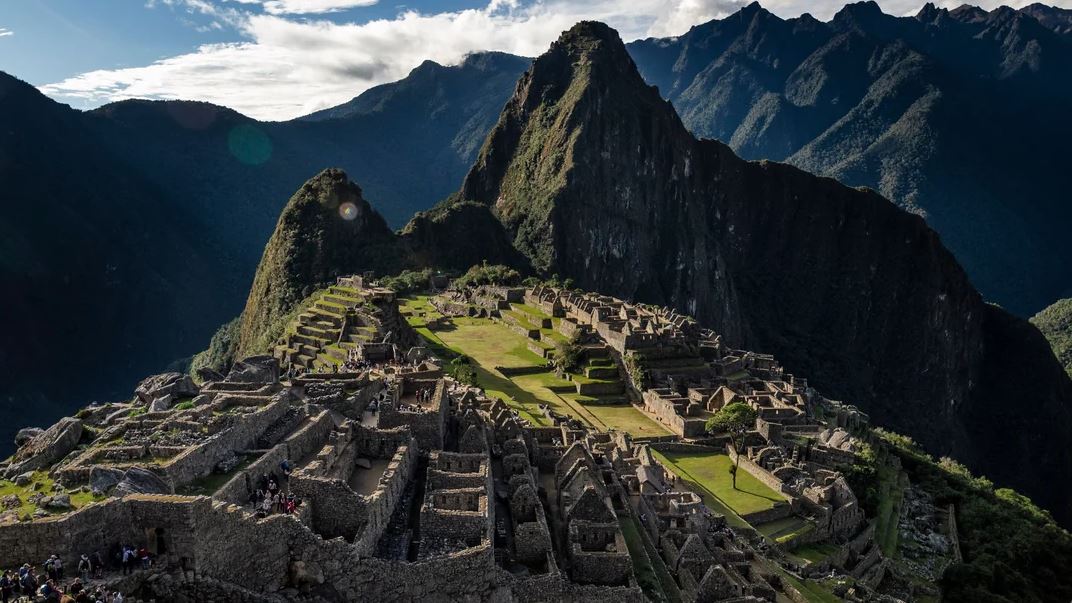
Highland communities engineered fields that climbed mountains in careful steps, each level suited to a different crop and temperature. Ritual stations on ridgelines watched solstices and equinoxes, which guided planting, harvesting, and storage. Roads crossed cliffs and valleys to connect shrines, towns, and royal centers. The quipu offered a tactile record that could store counts of people, goods, and time. Festivals moved people and goods along this network in cycles that kept communities resilient through climate shifts.
Teotihuacan and the city that breathed in counts
On the Mexican plateau, broad avenues aligned with celestial events drew citizens toward pyramids that framed communal rites. Apartment compounds housed artisans and traders whose work fed regional markets. Murals repeated motifs that likely encoded cycles of rain, fertility, and cosmic renewal. The city functioned as a calendar in stone, where movement through plazas mirrored movement through sacred counts. When the metropolis declined, its calendar logic traveled into later cultures that inherited and reshaped those ideas.
Ethics of time and the birth of historical thought
Civilizations did more than mark seasons, they debated the meaning of events and the duties of memory. Chronicles, annals, and king lists recorded victories and famines, treaties and eclipses. Philosophers asked whether time moved in circles or along a line. Priests and poets considered justice across generations, which tied law to remembrance. By thinking about time, people created frameworks that could judge rulers, praise ancestors, and warn descendants. The timeline became a mirror that societies held up to themselves.
Trade routes as classrooms of continuity
Caravans and fleets carried spices, metals, textiles, and stories. Along the Silk Roads and sea lanes, merchants taught one another the calendars of monsoon and mountain pass. Temples, inns, and markets fixed meeting days that fostered trust across language boundaries. Systems of credit and contract depended on agreed dates. Knowledge of eclipse cycles and stellar risings traveled with cargo, so distant cities began to schedule life in similar ways. The result was a shared sense of global time that predated modern technology.
Ritual, feast, and the memory of place
Every settlement invested time with feeling through ceremony. Planting festivals blessed seeds. New year rites renewed bonds. Mourning periods allowed grief to take a measured shape. Sacred fires, processional roads, and drum rhythms turned abstract counts into lived experience. Sites gained reputations as centers of timely power. Pilgrims learned the calendar as they walked, and in walking they helped keep the calendar alive.
Collapse and renewal within the long chronology
Many cities fell to drought, invasion, or internal strain. Yet the art of keeping time seldom vanished. Survivors carried methods into new valleys and across seas. A ruined ziggurat could still teach alignment to a later builder. A fragment of a farmer’s almanac could seed a fresh calendar in a new town. The resilience of timekeeping rested on its usefulness. It fed cities, balanced trade, and guided prayer. In that service, it persisted even when walls crumbled.
Tools that taught patience
Sundials traced shadows across plazas. Water clocks dripped from jar to jar. Clepsydra keepers counted beats during court speeches and rituals. Gnomons stood like thin obelisks that turned sunlight into data. Later, geared devices imitated the sky with surprising accuracy. Each tool invited careful attention, which trained generations to observe the natural world with respect. The social value of such patience can be seen in irrigation schedules, market rotations, and legal deadlines that kept different groups in balanced cooperation.
Writing as a bridge between moments
Scripts emerged to record grain, tribute, and omen, then expanded to poetry, mathematics, and law. With each new use, writing stretched time by preserving voices beyond a single lifetime. Clay, papyrus, bark, silk, and parchment carried the records that historians cherish. When scribes labeled years and reigns, they turned memory into a scaffold that later minds could climb. The timeline became a corridor lined with inscriptions, open to any reader willing to walk its length.
Power measured by promises kept on time
Rulers gained legitimacy when they paid soldiers, repaired canals, and delivered grain on schedule. Failure to meet seasonal duties signaled weakness. Revolts often followed missed payments, late harvests, or neglected roads. Calendars did not only inform, they constrained. By tying power to punctual service, early civilizations created a civic ethic that rewarded reliability. The expectation that leaders would meet deadlines has a lineage that stretches from temple ledgers to modern contracts.
Women, households, and the unseen clocks of daily life
Beyond the monumental calendar stood domestic cycles that sustained communities. Grinding grain, brewing, weaving, nursing, and teaching followed patterns set by light, heat, and resource flow. Midwives read lunar phases and seasonal cues for care. Gardeners observed seed times that could not be rushed. These intimate schedules required skill and attention that rarely entered royal inscriptions yet gave durability to every city. Household time provided the baseline that public time elaborated.
Weather, rivers, and the limits of prediction
Civilizations learned humility when storms broke patterns and rivers jumped banks. Droughts tested storage systems and faith in predictions. Communities responded with new canals, terracing, and migration. Prophecies were revised and calendars adjusted. The dialogue between human planning and natural change taught flexibility. This conversation shaped myths that speak of flood and renewal, of wandering and return, of patience before uncertain skies.
Art as a clock for the heart
Murals, statues, hymns, and epics measure time in emotion rather than numbers. A carved procession captures a festival that returns each year. A lament remembers a fallen city so vividly that listeners feel the loss across centuries. Epic cycles map the growth of a hero from youth to wisdom, then to departure. Art keeps the pulse of a people audible even when calendars are lost. Through beauty, the past remains present and the future receives guidance.
Lessons for the present from ancient planners
Modern cities still rely on water schedules, harvest forecasts, and traffic rhythms that echo ancient concerns. Digital networks distribute time with atomic precision, yet farms and rivers still answer to sun and rain. The best urban plans listen to both kinds of clocks, the precise and the seasonal. Disaster readiness, food security, and cultural resilience improve when planners study how early societies balanced storage, ritual, and exchange. The timeline of civilizations reads like a manual that invites each generation to revise wisely rather than to forget.
The long memory of rivers
From the Tigris to the Nile, from the Indus to the Yellow River, from coastal estuaries to mountain terraces, communities learned to live by counting and sharing time. Calendars held families together, roads stitched provinces into nations, and stories gave breath to dates that might otherwise fade. The record is vast and varied, yet a single message flows through it, that endurance grows when people align plans with the patient rhythms of earth and sky. In that alignment, the earliest cities found stability and meaning, and in that same alignment, the present can still discover a future worthy of remembrance.