

Liberty Learned to Speak Aloud
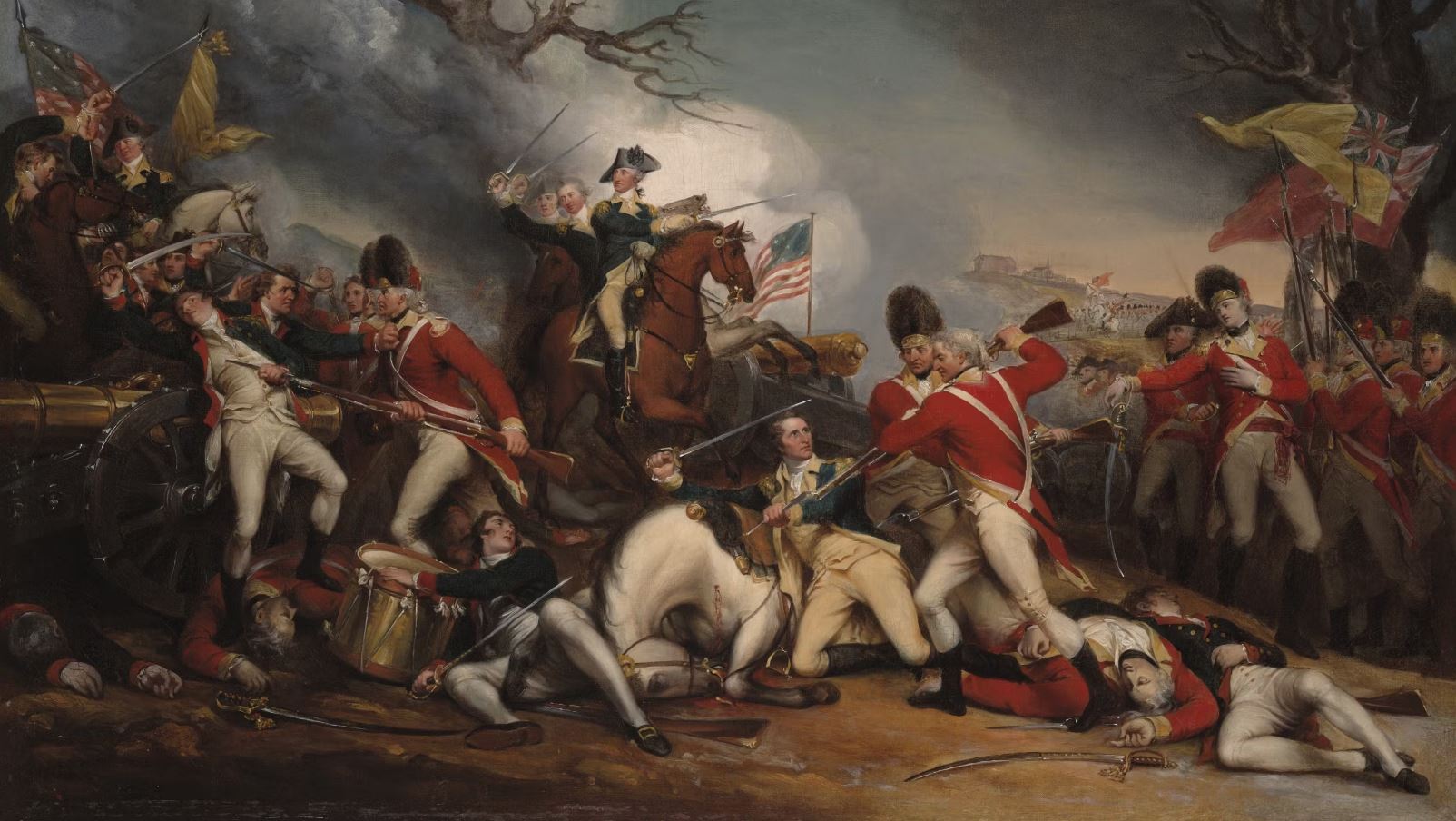
How protests, pen strokes, and patient armies turned a string of colonies into a republic that taught liberty to argue with power
Colonies learn the language of rights
By the middle of the eighteenth century, British subjects along the Atlantic seaboard read law books, traded across oceans, and elected assemblies that guarded local taxes with stubborn care, and when imperial debts rose after distant wars, new duties arrived on paper, tea, and glass, which convinced shopkeepers, farmers, and lawyers that a distant Parliament could reach into their pockets without asking for consent.
Pamphlets and the schooling of anger
Printers filled shop windows with essays that weighed loyalty against liberty, sermons compared ancient tyrants to modern ministers, and committees of correspondence stitched towns into a nervous system of letters, so that news of a seizure or a riot in one port could stir indignation in another before a week had passed.
Boycotts as rehearsal for union
Merchants signed agreements to refuse taxed imports, housewives brewed patriotic tea from herbs, and artisans revived local manufacture to replace British wares, and every cancelled order taught the colonies that collective discipline could bend policy, while also teaching neighbors to trust promises made in crowded meeting rooms.
Boston, soldiers, and snow that turned red
A garrison meant to keep the peace instead sharpened grievance, insults and snowballs met muskets on a winter night, and the deaths that followed became symbols repeated in engravings and court speeches, a warning that fear multiplies when authority stands too close to daily life with loaded guns.
Tea on water and a port in chains
When a tax remained as a symbol of supremacy, disguised men boarded ships and sent chests into dark water, London answered by closing the harbor and tightening rule, and other colonies sent grain and sympathy to prove that a local punishment had become a continental test of resolve.
A congress of strangers learns to speak together
Delegates arrived with accents and instructions from distant legislatures, they debated petitions, pledges, and the scope of royal power, and left with a plan to boycott trade and to reconvene, an act that quietly asserted that American politics could survive without imperial supervision.
Lexington, Concord, and a road that echoed with pursuit
When redcoats marched to seize stores and leaders, alarm riders scattered across villages, militia confronted regulars at dawn, and by afternoon bridges and stone walls poured fire onto a retreating column, transforming protest into war because ordinary farmers refused to yield their muskets or their neighbors.
A siege, a hill, and the price of ground
Armed citizens ringed Boston while commanders struggled to turn a crowd into an army, and on a June afternoon they fought on a peninsula where hastily built earthworks held against two assaults, then fell on the third when powder ran low, a defeat that felt like a lesson since British losses proved that courage and fortification could blunt disciplined ranks.
Guns from the north and a city abandoned
Snow and sleds carried heavy cannon from frontier forts across mountains and rivers, and when those black mouths appeared on heights above Boston, the British fleet chose departure rather than destruction, a quiet victory that rewarded persistence, engineering, and the habit of thinking beyond the next skirmish.
Pens sharpened for a declaration
As fighting spread, the Continental Congress weighed reconciliation against self rule, a committee blended philosophy with complaint, and a parchment announced that governments derive just powers from the consent of the governed, a sentence that turned rebellion into a claim of universal principle read aloud in squares and camps.
New York in flames and the test of a retreat
Naval might and seasoned regiments drove Washington’s army from the harbor islands, then from Long Island to Manhattan and northward, and the commander learned that preservation sometimes matters more than glory, since a living army can fight another day while a destroyed one can only furnish heroic stories.
A river crossed in sleet and a gamble that paid in morale
On a winter night, boats ferried soldiers through ice toward a garrison of hired troops, victory at dawn yielded prisoners and supplies, and a second blow a few days later drove the enemy across a broad river, restoring confidence that had sagged after months of retreat and defeat.
Campaigns that cut, delay, and decide
British leaders tried to split New England from the rest by pushing down lake corridors while another force marched inland from a great port, yet thick forests, stubborn forts, and hard marches slowed the plan until a Northern army surrounded an exhausted column, and that surrender brought a European ally whose fleets would later change the geometry of war.
France enters with powder, gold, and ships
Diplomats turned one victory into treaties, arsenals opened to supply muskets and cannon, and a navy sailed to challenge the empire that had once humbled it, and the war took on a global flavor as battles at sea and in distant islands shaped what could be spared for American shores.
Valley Forge and the science of discipline
Winter quarters tested bodies with hunger and cold, yet drilling on snowy fields taught regiments to load faster, march straighter, and fire by command rather than by impulse, and when spring returned, the army left camp with fewer men but stronger cohesion, a transformation purchased by hardship, manuals, and the patience of officers who believed that practice saves lives.
War shifts south with promises and plunder
British strategy turned to southern colonies where Loyalist support seemed stronger, cities fell quickly, partisan bands harassed supply lines, and inland battles swung on terrain, marksmanship, and morale, while communities learned how civil conflict scars neighborhoods more deeply than distant sieges.
Marches that cross states and a trap laid by maps
Allies coordinated movements that drew a British general to a tidewater town, trenches crept forward under bombardment while a harbor mouth filled with allied sails, and after days of crossfire a white flag appeared, reminding both sides that logistics and geography often decide what bravery begins.
Peace negotiated with patience and sharp quills
Envoys met in European rooms heavy with tapestries and calculations, a treaty fixed borders and fishing rights, recognized independence, and arranged for the departure of troops, and the new nation faced the quieter challenge of turning victory into stability without inviting the return of tyranny under a new name.
Soldiers go home and the republic tries to stand
Disbanded regiments returned to farms and shops with promissory notes in their pockets, state governments argued over debts, trade, and rivers, and an early charter proved too weak to bind fiscal policy or settle disputes, a lesson that liberty without structure can stumble even when intentions are good.
From convention to constitution
Delegates gathered to revise but soon resolved to replace, they debated representation, executive power, courts, and amendments, and they forged a federal frame that divided authority while promising a bill of rights, then carried the document to ratifying conventions where persuasion mattered more than prestige.
Voices previously pushed aside
Free Black writers argued that natural rights cannot stop at the color line, Native nations pressed treaties that colonists often ignored, and women organized households, businesses, and relief during war, then asked why a new order devoted to consent should not consult them as citizens rather than as dependents.
Money, markets, and the long recovery
Merchants reopened trade under new flags, farmers sought credit to rebuild fences and barns, and the young government learned to tax and to pay without crushing growth, while speculators, printers, and legislators discovered that financial trust is as vital to independence as courage in battle.
Myths formed while memories were fresh
Artists painted scenes of oath and crossing, playwrights celebrated heroes, and almanacs turned anniversaries into civic rituals, yet veterans remembered mud, hunger, and confusion, a tension between legend and lived experience that every nation must navigate when it tells its origin story.
Religion, toleration, and a wider welcome
Colonial establishments loosened, new denominations multiplied, and the idea that government should avoid dictating belief gained strength, creating a civic space where faith could flourish through persuasion rather than through law, an arrangement that lowered rivalry among sects while lifting the dignity of conscience.
Geography of a revolution
Ports mattered for customs and strategy, river valleys carried armies and grain, mountains shielded and hindered, and the breadth of the continent taught commanders humility, since distance punishes haste and rewards those who plan for mud, frost, and the scarcity of nails.
Technology and the craft of war
Muskets, bayonets, and artillery ruled fields, but spades and saws mattered just as much as powder, forts rose and fell with the skill of engineers who measured angles and lines of fire, and supply wagons broke axles on roads that were maps of patience rather than of speed.
Ideas that outlived their authors
Phrases about equality and unalienable rights lit debates far beyond the colonies, abolitionists, reformers, and suffrage leaders borrowed the language to challenge old hierarchies, and the promise that governments rest on consent continued to pull policy toward inclusion across generations.
Global ripples and imperial recalculations
Other empires weighed the cost of distant possessions against the benefit, allies and rivals redrew alliances, and colonial elites in far regions studied the American example for hints on how petitions can become revolts and how revolts can craft constitutions that survive victory.
Education as a safeguard for the experiment
States founded academies, printers flooded towns with schoolbooks and newspapers, and citizens learned that republics need readers who can follow budgets and bills as easily as they follow sermons, because ignorance feeds demagogues while knowledge feeds judgment.
Memory kept in places and papers
Battlefields gained markers, family trunks held letters and diaries, archives gathered maps and muster rolls, and each generation returned to those sources to argue about meaning, since liberty grows stronger when it welcomes scrutiny and grows weaker when it settles for myth alone.
Contradictions that demanded future work
Slavery survived in a nation born of natural rights, property requirements limited voting in several states, and territorial ambition threatened communities already living on coveted lands, reminders that founding ideals become real only when people insist on matching practice to principle.
Foreign policy for a fragile republic
Diplomats balanced trade with neutrality, avoided entanglements that could drag the new nation back into war, and negotiated boundaries with neighbors who tested forts and frontiers, while leaders argued in print about the proper scale of army, navy, and debt.
Culture that made independence feel ordinary
Songwriters composed patriotic airs for taverns and parades, printers sold almanacs that mixed weather with wit, and painters added republican virtue to family portraits, weaving politics into everyday taste so that citizenship felt like habit rather than like holiday alone.
The revolution as a school for compromise
Alliances formed and frayed, commanders listened to legislatures, and communities bargained over supplies and quartering, which taught leaders that victory comes as often from patience and persuasion as from attack, a skill that later proved vital in councils where votes replaced volleys.
Lessons carried forward
From boycotts to ballots, from petitions to constitutions, the American Revolution demonstrated that organized dissent can mature into durable law, and that the bravest slogans require dull work in committees to become protections that survive fear, fashion, and time.
The promise that still asks for guardians
The struggle that began with protests at wharves and fields delivered a framework that invites correction rather than decree, and its legacy rests on citizens who read, argue, vote, and serve, because the thunder that shook the thirteen colonies fades unless each generation renews the quiet labor that keeps liberty awake.