

Smoke and Silk in an Age of Steam
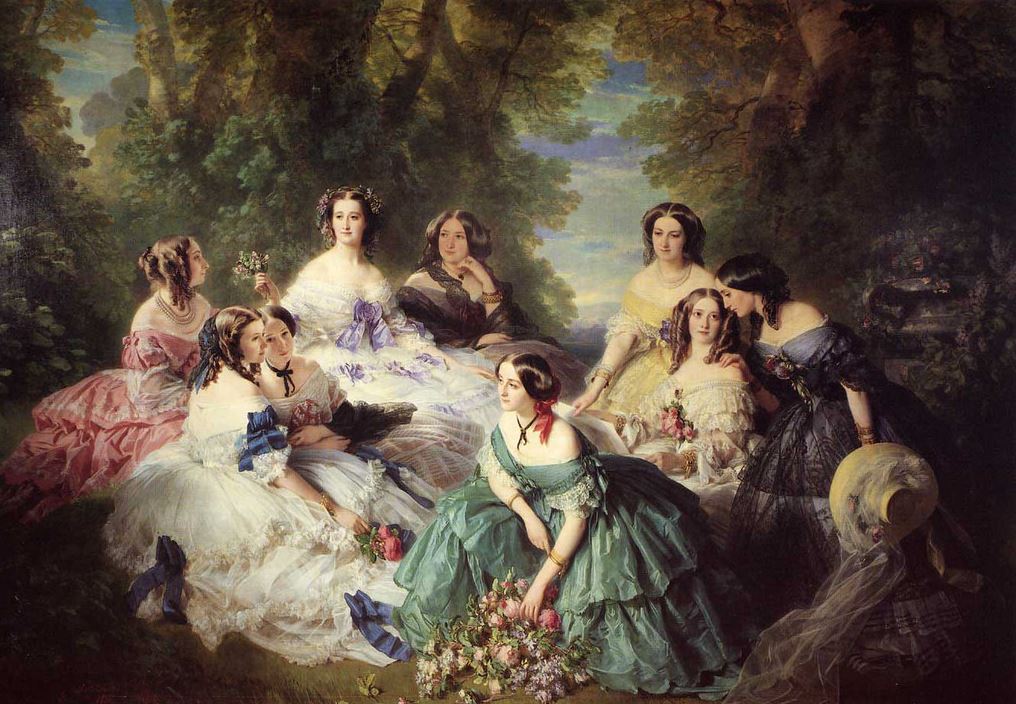
Industry, empire, and everyday life reshaped a kingdom that stitched invention to etiquette and ambition to anxiety
When a young queen met a restless century
Victoria ascended the throne with the poise of youth and the patience of discipline, and her reign coincided with decades of quickening change that touched mills, ministries, parlors, and ports, while the monarchy learned to trade absolute command for careful symbolism that steadied a society of new fortunes and old names.
Factories that taught iron to hum
Steam engines drove shafts and belts that turned looms, planers, and trip hammers, and coal elevators fed hungry furnaces from dawn to dark, so output rose in quantities that startled older merchants, while towns near seams of fuel swelled into cities that wore a film of soot like an unwanted uniform.
Rails that redrew the map by the hour
Surveyors laid lines across moor and meadow, navvies cut cuttings and raised embankments, and locomotives stitched regions together with timetables that required clocks to agree, which created a new sense of national time that made distance feel less like a barrier and more like a fare.
Telegraph wires and the new speed of thought
Messages that once took days now crossed counties in minutes as copper strands carried pulses between offices, newspapers gained fresh dispatches for breakfast readers, and investors learned to treat information as a commodity that arrived through clicks instead of couriers.
Streets of brick and alleys of mud
Prosperous families moved into terraces with polished brass and patterned tiles, while laborers shared crowded rooms above courts that lacked drains and light, and reformers walked both worlds to measure the gap that grew when wages faltered and rent rose on the same afternoon.
Clean water as a civic revelation
Engineers built sewers that followed gravity with stubborn logic, filtered reservoirs replaced foul pumps, and the survival of children improved in districts that accepted the arithmetic of sanitation, proving that public works can save more lives than any single clinic when pipes and policy cooperate.
Hospitals that traded folklore for protocol
Ward rounds recorded temperature and pulse with regular care, antiseptic practice cut the toll of surgery, and nursing schools taught rigor as well as kindness, while public health boards mapped outbreaks and recommended quarantine or closure with a confidence born of counted cases.
Schools and the multiplication of readers
Compulsory attendance widened the circle of literacy, slates and primers shaped handwriting and memory, and mechanics institutes offered evening lectures for clerks and artisans who wanted the language of science to sit beside the language of bills on their desks.
Workrooms where childhood ended too soon
Campaigners documented long shifts at spinning frames and chimneys swept by small bodies, reports moved Parliament to set limits on hours and ages, and inspectors learned that law matters only when visits are frequent, records are honest, and fines are more than a cost of doing business.
Parlors, etiquette, and the theater of respectability
Calling cards, tea services, and carefully observed visiting hours turned social life into a choreography of status and virtue, novels taught the pitfalls of pride and the value of constancy, and a moral vocabulary of duty and restraint guarded reputation as tightly as any lock guarded a jewel box.
Fashion as a mirror of invention and class
Machine woven fabrics lowered prices while dressmakers shaped silhouettes with whalebone and steel, and tailors cut suits that signaled sober ambition, yet behind the elegance stood pieceworkers who stitched by lamplight, reminding the city that beauty and fatigue often share a seam.
Print culture and the appetite for news
Stamp duty cuts expanded circulation, penny papers chased sensation and civic reform in the same column, and weeklies reviewed books and exhibitions for an audience that judged style as carefully as it judged policy, while lending libraries turned solitary reading into a common habit.
Literature that argued with the age
Novelists set plots in parlors and factories to test conscience against hunger and hope, poets weighed nature against iron and smoke, and essayists measured progress by compassion rather than by output, so the written word became a tribunal where the century tried itself without recess.
The Great Exhibition and glass that swallowed a park
A palace of iron and panes rose in Hyde Park to house machinery, textiles, sculptures, and curiosities from many shores, crowds filed past engines that glistened with oil and cases that glittered with jewels, and the event announced a nation confident enough to put its industry on stage and invite the world to clap.
Empire as trade, mission, and contradiction
Ships carried cotton, tea, and opium along routes guarded by gunboats and treaties, missionaries opened schools while officials opened customs houses, and debates at home weighed pride in expansion against the cost in coin, conscience, and blood that came due with every new possession.
Soldiers at Crimea and the lesson of logistics
War exposed the price of poor supply and muddled command, newspapers relayed reports that roused the public to demand accountability, and the arrival of trained nurses and better sanitation showed that courage needs planning or else courage pays twice.
Law and the slow pruning of privilege
Reform acts widened the franchise in steps, secret ballots reduced intimidation, and the civil service shifted toward exams that valued merit over favor, while local boards gained authority to manage water, housing, and transit with tools sharper than good intentions alone.
Police, forensics, and the science of order
Uniformed constables patrolled on fixed beats, detectives traced footprints and handwriting, and coroner inquests learned to treat clues with care, building a culture where evidence rather than rumor decided guilt for more cases each year.
Religion, doubt, and the widening field of belief
Established churches faced vigorous nonconformist congregations, biblical criticism and geological time troubled old certainties, and many citizens learned to hold faith and curiosity in the same mind, finding moral purpose in charity and civic work as much as in creed.
Clubs, music halls, and the invention of leisure
Half day Saturdays and excursion fares filled seaside promenades, cricket grounds and football pitches gathered noisy crowds, and music halls mixed satire with song for audiences that wanted laughter to sit beside the week’s worries for an hour without apology.
Home life and the privacy of comfort
New stoves warmed parlors without choking smoke, indoor plumbing crept from mansions to middle rank houses, and mass produced furniture let many families furnish a room with taste, while the ideal of home as refuge rose with every clean hearth and curtained window.
Food supply and the invisible chain behind a loaf
Railways sped grain from ports to inland mills, refrigerated holds carried meat across oceans, and grocers learned to trust brands that promised consistency, even as inspectors fought adulteration with tests that replaced outrage with proof.
Architecture from revival to innovation
Gothic towers climbed over town halls and schools to signal moral earnestness, while iron arches spanned train sheds and markets with a lightness that stone could not manage, and late in the reign new frames of steel hinted at a skyline yet to come.
Science that moved from curiosity to profession
Natural philosophers became specialists with societies and journals, laboratories replaced parlors as the site of experiment, and instruments of precision gave mathematics and measurement a seat at every important table where nature or industry was discussed.
Geology, deep time, and a longer past
Strata, fossils, and the slow lift and wear of land revealed a planet older than inherited chronologies allowed, miners and surveyors added data from tunnels and quarries, and popular lectures taught laypeople to see cliffs as pages of a book that had taken ages to write.
Evolution and the politics of descent
The argument that species change through selection influenced medicine, agriculture, and heated sermons, and citizens learned that scientific ideas can challenge pride and policy as forcefully as any speech made in a chamber with a mace on a table.
Finance, gold, and the arithmetic of empire
Banks expanded branches, joint stock companies raised capital for mines and railways, and a stable currency anchored long distance trade, yet speculative manias reminded the public that confidence can vanish faster than a ledger can close.
Migration, return, and the making of a global city
Docklands received sailors and settlers from many coasts, crafts and cuisines mixed in lanes near the river, and while tension rose at times of scarcity, the city learned new rhythms of speech and song that widened its sense of who belonged on a busy corner.
Ireland, famine memory, and political urgency
The catastrophe of crop failure left scars that shaped demands for land reform and autonomy, diasporas carried songs and grievances abroad, and debates in the capital tried to balance union with justice while communities asked for dignity as well as relief.
Wales and Scotland, industry and identity
Coal valleys and steelworks fueled ships and rails, universities and chapels fostered learning and debate, and writers preserved languages that carried poetry and law, proving that contribution to a kingdom can grow while local tradition stays bright.
Art schools and the gospel of design
Masters taught proportion, ornament, and craft to the sons and daughters of artisans, museums displayed exemplary objects beside instruction, and manufacturers hired designers to lift everyday goods above the merely useful into the quietly beautiful.
Photography and the captured moment
Portrait studios welcomed clerks and colonels alike, street scenes fixed bustle into memory, and reporters brought distant conflicts to breakfast tables as images, teaching viewers to read expressions and uniforms for truths that words might soften.
Electricity arrives as glow and promise
Arc lamps brightened stations and boulevards, dynamos turned water and steam into current, and inventors hinted at homes that would ring and buzz on command, though cables and standards lagged behind dreams until investment caught up with curiosity.
Women organize for education and rights
Campaigners opened colleges, entered professions, and petitioned for the vote with marches and meetings, newspapers debated their claims with heat or respect, and households learned that equality begins in conversation at the dinner table before it reaches any statute book.
Charity, settlement houses, and the ethics of proximity
Volunteers moved into poor districts to teach, cook, and listen, surveys mapped hunger and rent, and philanthropists shifted from alms to programs that sought causes and cures, replacing pity alone with partnership and persistence.
Crime stories and the public imagination
Penny dreadfuls and serial novels followed detectives through fog and fear, readers weighed clues beside heroes, and the city learned to see alleys as stages where greed and guile met law and patience, a theater that warned and entertained in equal measure.
Environment beneath the soot
Parks opened where bricks had crowded, tree planting shaded boulevards, and early voices argued that clean air and open fields were not luxuries but necessities for bodies that labor and minds that worry, a philosophy that would grow in the next century.
End of a reign and the feeling of a page turning
When the long rule closed, mourners filled streets with quiet respect, yet factories continued to thrum and schools to open, and the nation stepped into a new era carrying tools and habits learned during decades when ambition met restraint and invention met conscience.
The century that taught progress to look in a mirror
The Victorian era bound steam to law, wealth to duty, and curiosity to reform, it built sewers and schools, rails and reading rooms, and it left behind a lesson that endures, that prosperity without compassion frays, and compassion without structure fades, while a society that nurtures both can walk forward with steadier feet.