

Marble Echoes After the Last Eagle
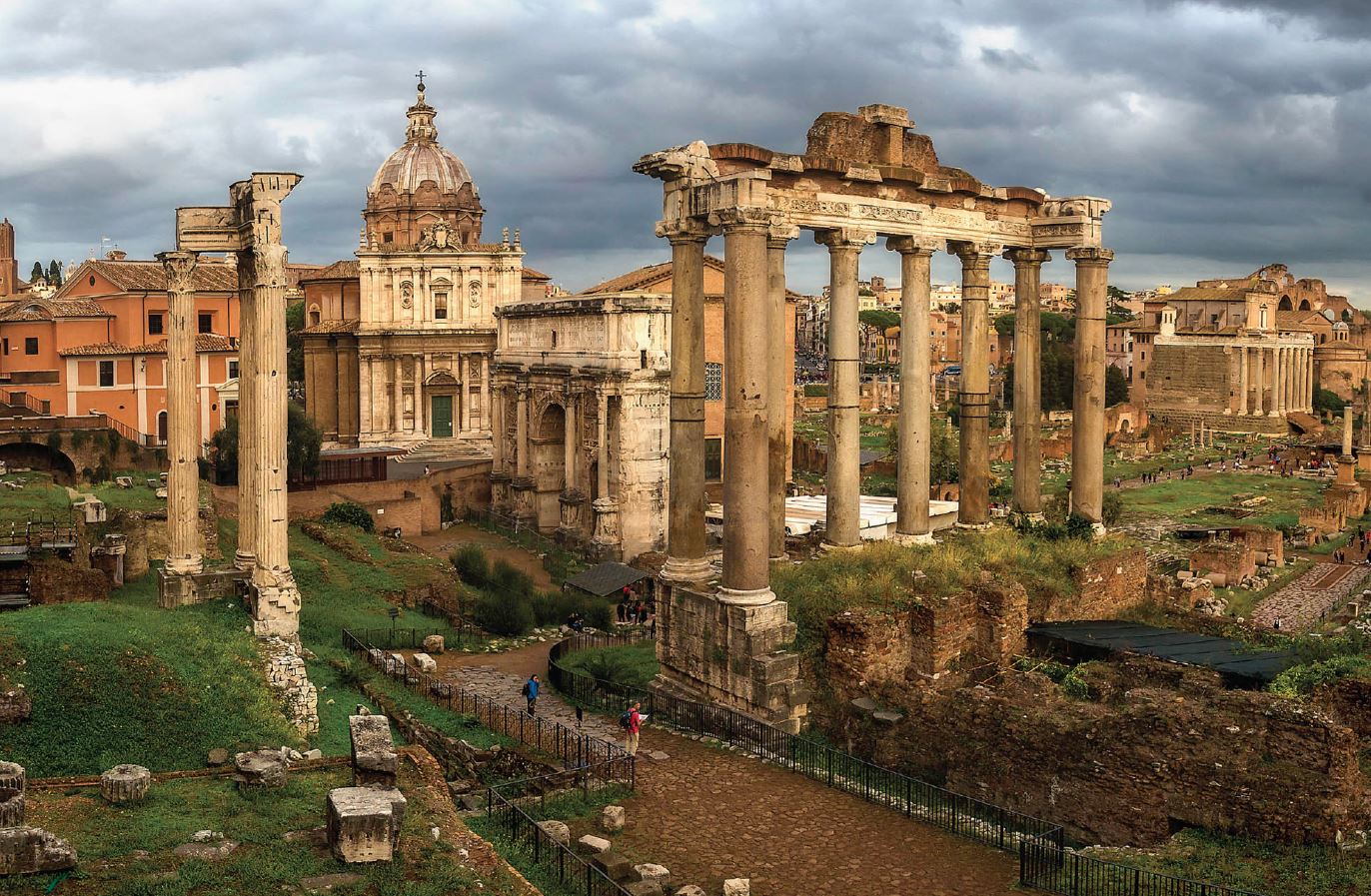
Pressures seen and unseen reshaped an empire until its center could not hold
Borders that drifted like rivers
Frontiers seldom break in a single moment, they shift as water erodes a bank, and the Roman limes followed that pattern as garrisons stretched thin and patrols missed more tracks along forests and marshlands. Watchtowers once linked by sight and signal grew quiet in winter fog, and traders learned the names of new toll keepers who spoke Latin with another accent. The map did not shatter overnight, it blurred at the edges first, and then that blur crept inward mile by mile.
Gold that weighed less each season
Currency once promised stability across continents, yet clipped coins and altered alloys taught citizens to doubt scales and ledgers. Prices rose in markets where wheat and oil had tracked steady paths for generations, and tax collectors found arrears piling higher as estates pleaded hardship. Debasement traveled faster than law because rumor worked on the heart more quickly than edict, and once mistrust set in, contracts frayed and caravans slowed.
Grain lines that tied cities to distant shores
Rome was fed by ships that crossed from Egyptian ports and from North Africa, a lifeline that required calm seas, skilled crews, and safe harbors. Piracy returned with confidence when patrol fleets faltered, and storms that once meant inconvenience now threatened months of hunger. Bakers shrank loaves, crowds grew restless, and governors weighed the risk of requisition against the danger of revolt. Food policy had always been politics, and in hard years it became the most urgent form of diplomacy.
The day the Danube filled with refugees
When people fleeing fear ask for passage, a state must balance mercy and caution, and the Roman court faced that test when Gothic families appeared along the river seeking protection from the Huns. Negotiators promised land and rations in exchange for service, yet corruption and delay turned a manageable settlement into a flashpoint. The crossing that might have added allies instead seeded resentment, and the road to disaster began with spoiled grain and broken guarantees.
Adrianople and the lesson no general forgot
The battle near Adrianople did more than end a campaign, it shattered the belief that discipline alone could always rescue a legion in the open field. Commanders who had read old victories learned a harsher chapter about cavalry shock, divided lines, and the cost of impatience. The empire survived the defeat, but its aura of invincibility thinned, and with that change, diplomacy with frontier kings took on a new tone marked by caution and concession.
Courts that traveled more than they ruled
As emperors spent more time on the road searching for loyal troops and safe councils, edicts followed them across mountains and along coasts. Palaces rose in places far from the forum, and with each relocation, a new circle of favorites emerged while older elites felt ignored. Administration became a caravan of clerks and scribes that tried to hold unity through parchment rather than presence, and distance amplified every slight.
The sack that turned memory into warning
When Alaric led his warriors through the gates of the capital, the world did not end, yet confidence in the old order cracked. Statues fell, households scattered, and senators who once spoke of destiny learned a different vocabulary shaped by ransom and retreat. Travelers carried the tale to distant towns, and even where walls still stood unbreached, the idea of safety felt thinner, like a garment worn too long at the elbows.
Craftsmen without orders and shops without customers
Urban workshops had thrived on military contracts, festival spending, and the steady flow of visitors. When garrisons moved away and processions grew modest, artisans shifted to repair rather than creation, then many closed their doors. Amphitheaters that had defined civic pride became quarries for building stone, and forums turned into gardens or pasture. Cities did not vanish, they simply changed scale, and that change altered how time and wealth moved through daily life.
Law that multiplied as power thinned
Code after code attempted to answer every petition, to fix prices, to limit privilege, to reward service, and to punish neglect. The more rules appeared, the more exceptions were requested, and the empire learned that volume cannot replace clarity. Provincial governors sought guidance that arrived late, and judges interpreted decrees with a creativity born of necessity. In some places custom outlasted statute, and in others statute became custom through repetition without force.
Faith that remade calendars and conscience
As the new religion gained favor, feast days reoriented the year, bishops shared influence with governors, and charity networks redirected wealth from games to alms. This shift brought comfort to the poor and dignity to service, yet it also disputed older civic identities that had tied community pride to temples and theaters. Spiritual authority sometimes softened violence, and sometimes it sharpened disputes, since doctrine could divide neighbors as surely as it could unite distant congregations.
Armies that hired yesterday’s adversaries
Federate treaties promised land and status to allied warbands in return for patrols and campaigns, a bargain that seemed wise when recruitment lagged in traditional provinces. These soldiers learned Latin commands and drilled beside old legions, yet loyalty often flowed through kin and captains rather than through abstract symbols. The empire grew skilled at balancing rival chiefs, but every dismissal created another household of veterans who owed little to the cities they guarded.
Climate that shifted the script without speaking
Tree rings and lake beds suggest years when harvests suffered, and during those years every other problem felt sharper. Drought pushed herders into fields, frost trimmed yields, and tax arrears rose. Plague carried by trade routes struck crowded towns with grim efficiency, and labor shortages followed like a shadow. No single season toppled a world, yet a chain of hard seasons can pull any polity toward the edge.
Africa lost and the thinning of the pantry
When Vandal fleets ruled the western sea, Rome and many Italian towns faced a new arithmetic. The fat years that had depended on African granaries ended, and the state learned the cost of losing a single region that served as both breadbasket and customs engine. Diplomacy tried to reopen the flow, war tried to retake the coast, and when both efforts stumbled, governors rationed hope along with flour.
The burden that bent smallholders
Taxation that once felt equal to protection began to feel like collection without return. Some farmers bound themselves to great estates for shelter from officials and raiders alike. Others fled, leaving fields untended and registers empty. The state chased revenue by fixing people to land and trade to guilds, which preserved some order while reducing mobility that had previously kept markets lively. Stability by compulsion seldom outlives the pressure that created it.
Couriers that still ran while messages lost power
Stages remained along imperial roads, and fresh horses waited for dispatches, yet the letters they carried could no longer guarantee obedience throughout the provinces. Local commanders weighed commands against their own survival, and councils measured loyalty against the risk of revolt. Communication as a technology persisted, authority as a habit weakened, and the difference between these facts marked the twilight of centralized rule.
Ravenna and the art of cautious survival
Courtiers chose a lagoon city for safety, since marsh and sea discourage siege and cavalry. From there the court bargained for allies, appointed generals with careful calculation, and tried to keep Italy peaceful while neighbors tested boundaries. The choice preserved a crown in the short term, but it also signaled to many that retreat had become a governing principle. Capitals that hide too well can forget how to lead.
Odoacer and the quiet end of a title
The deposition of a boy who wore an old name ended the list of western emperors, not with a grand duel in the forum, but with a settlement that placed real power in the hands of a commander who preferred practical rule to pageantry. The senate sent the imperial insignia east, and with that gesture, many citizens adjusted their language. They still spoke of taxes and courts and roads, yet they no longer expected distant ceremony to decide local fate.
Theoderic and the memory of Roman order
Under an Ostrogothic king who admired the civic arts, Italy kept schools open, aqueducts flowing, and markets reasonably secure. Roman law guided judges, Latin guided scribes, and building crews repaired what they could. This experiment showed that institutions can outlive the titles that birthed them, as long as rulers respect the craft of administration. The arrangement proved fragile, yet for a time it delivered a version of peace that many had thought impossible.
Justinian and the cost of recovery
Eastern armies crossed seas to reclaim provinces once counted as the heart of the west. Victories returned banners to familiar walls, but plague followed, and treasuries emptied. Codification of law gave scholars a gift that still shapes classrooms, yet the countryside paid for marble dreams with burned farms and conscripted sons. Restoration can be noble in intent and ruinous in effect when resources do not match ambition.
Language that shifted while memory stayed
As decades passed, Latin in the west mingled with the speech of newcomers, and new kingdoms issued laws that blended custom with Roman precedent. Bishops held councils that preserved learning, monasteries copied books, and jurists trained students who would one day advise kings with arguments rooted in ancient logic. The people who walked old roads no longer called their state by the imperial name, yet their daily habits carried a great deal of Rome forward.
Archaeology and the patience of fragments
Spades and trowels reveal that decline varied by region and by street. Some towns shrank to a fortified hill, others continued to trade with modest vigor, and a few enjoyed renewal under new patrons. Layers show repair alongside ruin, and dumps yield coins from distant mints beside local pottery. The record defeats any single story, which is a service to truth, since complexity honors the people who lived through those changes.
Lessons for any age that trusts size more than resilience
An empire can endure difference in culture, faith, and language if it protects movement, food, and law with fairness. When revenue feels predatory, when the soldier of the frontier feels abandoned, and when city councils believe that edicts float above reality, confidence erodes. The western empire did not fall only because outsiders pressed upon it, it faltered because the inside lost the habit of mutual belief. That habit is the hardest infrastructure to build and the easiest to neglect.
What remains when the banners are folded
Streets survive in the layout of modern towns, legal phrases survive in courtrooms, and the calendar still names months that once honored gods and rulers. The story of the end is also the story of what continued, families that adapted, trades that changed tools, and scholars who carried books across mountains. Marble cracked, yet customs endured, and in those customs a quieter empire walked on, not in triumph, but in daily life that refused to forget what it had learned.