

When Earth Looked Upward
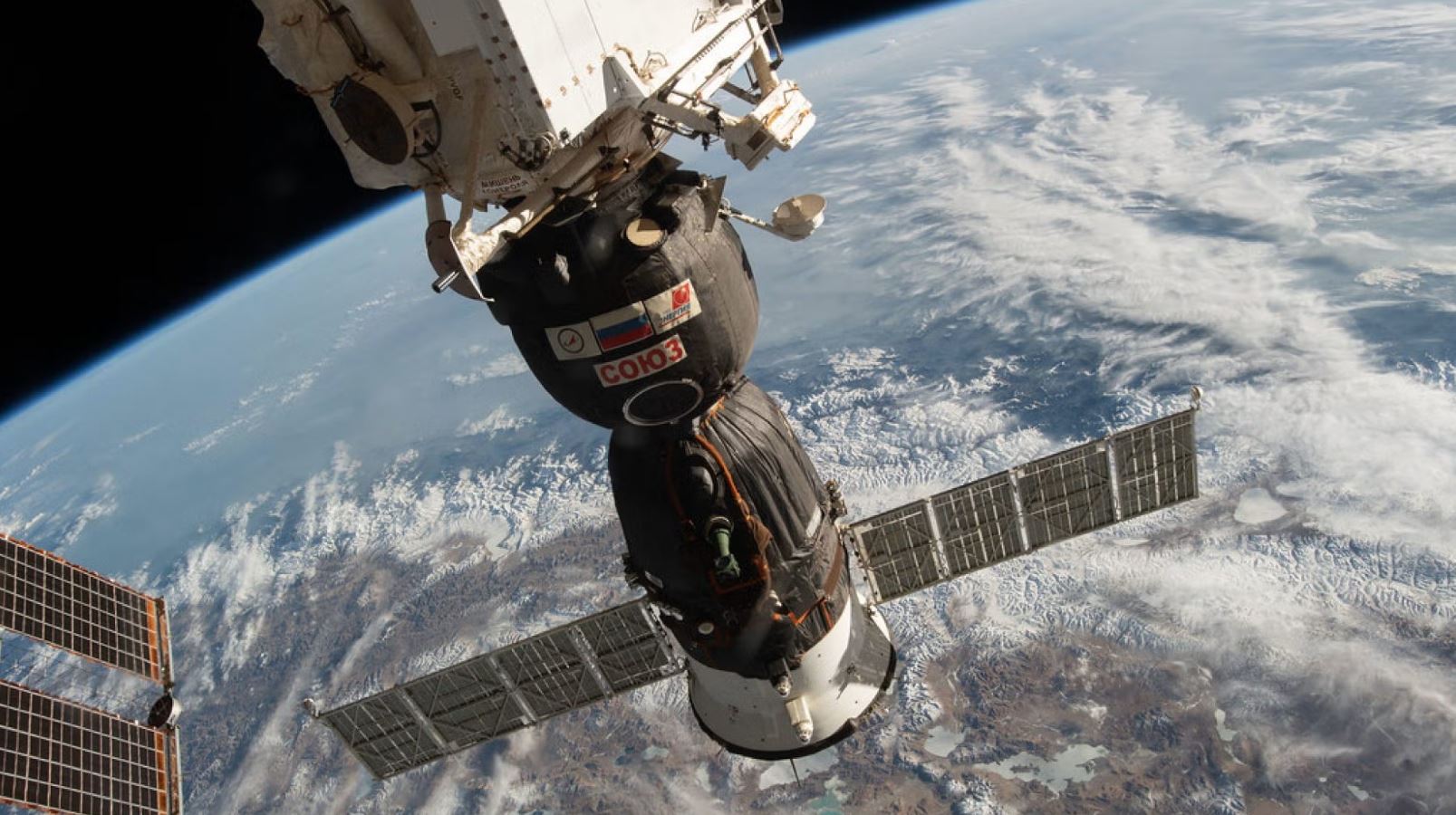
The age when nations turned ambition into orbit and humanity learned to measure pride among the stars
A rivalry that began with silence
In the wake of the Second World War, a quiet tension divided the planet into two spheres of power, each armed with science and suspicion. The United States and the Soviet Union had inherited the dreams and the scientists of defeated Europe, and both recognized that rockets could be more than weapons. They could become instruments of prestige. The first years after the war saw both sides gathering fragments of German technology, blueprints, and minds. Engineers who once built V-2 missiles for destruction were now drafting designs for peace, exploration, and global influence. The competition was not declared, yet every experiment carried the pulse of a political duel, one fought with equations rather than bullets.
The launch that shook the planet
In October 1957, a metallic sphere named Sputnik crossed the night sky, broadcasting a simple radio pulse that echoed across continents. That beeping sound became a message louder than any speech, proof that the Soviet Union had achieved what no other nation had done. The world watched in awe and fear as an artificial moon circled above. It marked the beginning of a new era, where the frontier of competition had left the Earth entirely. The United States responded with urgency, creating new agencies, funding schools, and investing in science with unprecedented intensity. The race was no longer about geography, but about imagination.
Humanity leaves the cradle
Four years after Sputnik, a young pilot named Yuri Gagarin rose into orbit aboard Vostok 1. His flight lasted just under two hours, but it altered the trajectory of civilization. When he returned safely, he became a hero to the world and a symbol of Soviet achievement. Yet his triumph also ignited the determination of his rivals. The idea of a human circling Earth had crossed from fiction to fact. For the first time, humanity had proof that it could survive beyond its own atmosphere. The boundaries of the possible expanded overnight, and the question shifted from who would reach space to who would control its destiny.
Engineering miracles and national pride
Both superpowers began constructing machines that seemed to defy the limits of their age. The Soviet Union developed a series of powerful boosters, while American engineers at NASA built rockets that dwarfed anything before them. Each success carried political weight, each failure the sting of embarrassment broadcast to the globe. Laboratories became battlefields of prestige. The Mercury program tested astronauts in capsules barely larger than coffins, while the Gemini missions rehearsed the choreography of orbital rendezvous. Every maneuver, every photograph from orbit, was another step in the long march toward the Moon. The race for dominance had become a race for understanding.
The Moon as a mirror of ambition
President John F. Kennedy’s declaration in 1961 that the United States would land a man on the Moon before the decade’s end turned aspiration into national obligation. Factories, universities, and research centers synchronized their work toward that single goal. The Apollo program embodied the spirit of collaboration between industry and science. Thousands of engineers solved problems of fuel, navigation, and survival that had no precedent. The effort was so vast that entire towns thrived on its progress. For the Soviet Union, early victories in orbit had set the tone, but technical difficulties and internal rivalries slowed their lunar ambitions. The stage was set for a finale the whole planet would witness.
July nineteen sixty nine and the sound of one small step
When the Apollo 11 lander touched the surface of the Moon, the voices of Neil Armstrong and Buzz Aldrin reached Earth through static that carried history. Millions watched grainy images of a human walking on another world. Flags were planted, samples collected, and footprints left in dust that would remain untouched for centuries. The mission was a success of science, coordination, and sheer willpower. It was also a victory claimed in the midst of Cold War competition. Yet for a moment, the triumph felt universal. The words spoken from the lunar surface belonged to humanity as much as to any nation. The space race had found its climax not in conquest, but in cooperation between courage and calculation.
The cost of glory
Behind the triumphs were losses measured in lives and failures. Test pilots perished in flames, engineers worked themselves into exhaustion, and entire missions vanished in seconds of malfunction. The Apollo 1 fire claimed three astronauts before a single lunar flight had launched. Soviet cosmonauts faced equal dangers, their tragedies often hidden from the public. The pursuit of the heavens demanded sacrifice, and those who built the rockets understood the weight of risk. Yet the world kept watching, because each launch carried more than metal. It carried the proof that fear could be overcome through precision and purpose.
From rivalry to dialogue in orbit
After the Moon landings, the fever of direct competition cooled. Both nations recognized that cooperation could yield more than secrecy ever had. The Apollo-Soyuz Test Project in 1975 symbolized that shift, as American and Soviet spacecraft docked in orbit and their crews shook hands through an open hatch. The handshake marked not the end of the race, but the birth of partnership. It showed that space could be a field of collaboration rather than conflict. The era of shared missions began, laying the foundation for the International Space Station and the global research that would follow. Science had quietly triumphed over politics.
New players and new frontiers
As decades passed, other nations joined the pursuit. Europe established its own agency, Japan and China launched satellites and probes, and private companies entered the industry with innovations that reshaped access to orbit. The dream that once belonged to governments became the enterprise of individuals and corporations. The race diversified from a duel into a collective exploration. Robotics reached Mars, telescopes mapped galaxies, and communication networks bound the planet closer than ever before. What began as a contest between two ideologies evolved into a shared human project of curiosity. The sky no longer separated nations, it connected them.
The technological inheritance
The investments of the space race spilled into everyday life. Advances in computing, miniaturization, materials science, and communication filtered into civilian use. Satellites revolutionized weather prediction, navigation, and broadcasting. The same technologies that guided rockets now guided airplanes and phones. The pursuit of space transformed not only the way people looked outward, but also the way they lived on Earth. Every time a satellite transmits a signal or a spacecraft returns a photograph, it carries echoes of the laboratories that once raced to outthink gravity. Innovation born of rivalry became a gift shared by billions.
The philosophical awakening
When astronauts looked back at Earth and saw it as a single blue sphere suspended in blackness, a profound realization spread across cultures. The borders that divided nations disappeared in that view. Environmental movements gained momentum, inspired by the image of fragility seen from orbit. The overview effect, as it would later be called, changed perception itself. It reminded humanity that competition could create unity and that ambition, when aimed outward, reveals the shared home below. The space race, though rooted in rivalry, taught the lesson of perspective, that progress is inseparable from responsibility.
The unfinished journey
Today, the legacy of that first race continues. New missions aim for Mars, private companies plan habitats beyond the Moon, and robotic explorers venture into the icy worlds of the outer system. The challenges remain immense, but the tools and spirit forged in the twentieth century still guide the effort. Every countdown echoes the courage of those who built the first rockets and risked the first flights. The race has evolved into a relay where each generation inherits both the triumphs and the caution of those before. The story that began in Cold War rivalry now belongs to a global collective seeking survival beyond its birthplace.
The horizon that keeps moving
From the beeping of Sputnik to the quiet hum of probes beyond the solar wind, the journey from Earth to sky has never been about victory alone. It has been about curiosity refusing to rest. The space race taught humankind that progress comes from looking upward together, even when divided below. The sky remains vast, but it is no longer unreachable. In every orbiting satellite and in every distant rover, there beats the memory of an age when ambition burned bright enough to escape the gravity of fear.